Same Day Emergency Dentistry!


How Long Do Dental Implants Last?
Schedule Appointment


On average, dental implants last anywhere between 20 to 30 years, and in some cases, even longer. These artificial tooth roots are designed to last a lifetime with proper care, but their longevity can vary. Implants are one of the most reliable and effective options for replacing missing teeth. Thanks to advancements in technology and materials, this missing teeth replacement option has become the gold standard for tooth replacement, offering a solution that mimics the function and appearance of natural teeth.
Several factors influence how long your replacement teeth will remain functional and aesthetically pleasing, and understanding them can help you maintain your implants for as long as possible. In this comprehensive guide, we’ll answer that question in detail and explore the factors that affect the longevity of implants.
Factors Affecting the Lifespan of Implants
Quality of the Implant and Materials Used
The material and quality of the implant play a significant role in its durability. Most implants are made from titanium, which is highly durable and biocompatible, meaning it integrates well with the bone. Some high-end implants use advanced ceramics or zirconia, which also offer excellent strength and longevity.
Bone Health and Osseointegration
For the implants to last, they must integrate with your jawbone. This process, called osseointegration, typically takes several months. The strength of your jawbone and the success of osseointegration determine how well the implant will hold up over time. If you have low bone density, additional procedures like bone grafting may be necessary to ensure the implant’s stability.
Oral Hygiene Habits
Maintaining proper oral hygiene is critical for the long-term success of your implants. Just like natural teeth, implants require regular brushing, flossing, and professional cleanings to prevent gum disease and plaque buildup. Thus, causing complications like implant failure. Poor oral hygiene is a leading cause of implant problems and can shorten their lifespan significantly.
General Health and Lifestyle Choices
Your overall health and lifestyle choices also play a crucial role in longevity. Conditions like diabetes, smoking, and bruxism (teeth grinding) can negatively impact the healing process and cause premature implant failure. Smoking, in particular, can affect blood flow to the gums, reducing healing capacity and increasing the risk of infection. Proper nutrition and avoiding harmful habits are essential for the longevity of your implants.
Implant Placement and Technique
The success and longevity also depend on the skill and technique of the implant specialist. A proficient professional will ensure correct placement and maintain the health of the surrounding bone and tissue. This can significantly contribute to the implant’s longevity.
The Type of Restoration
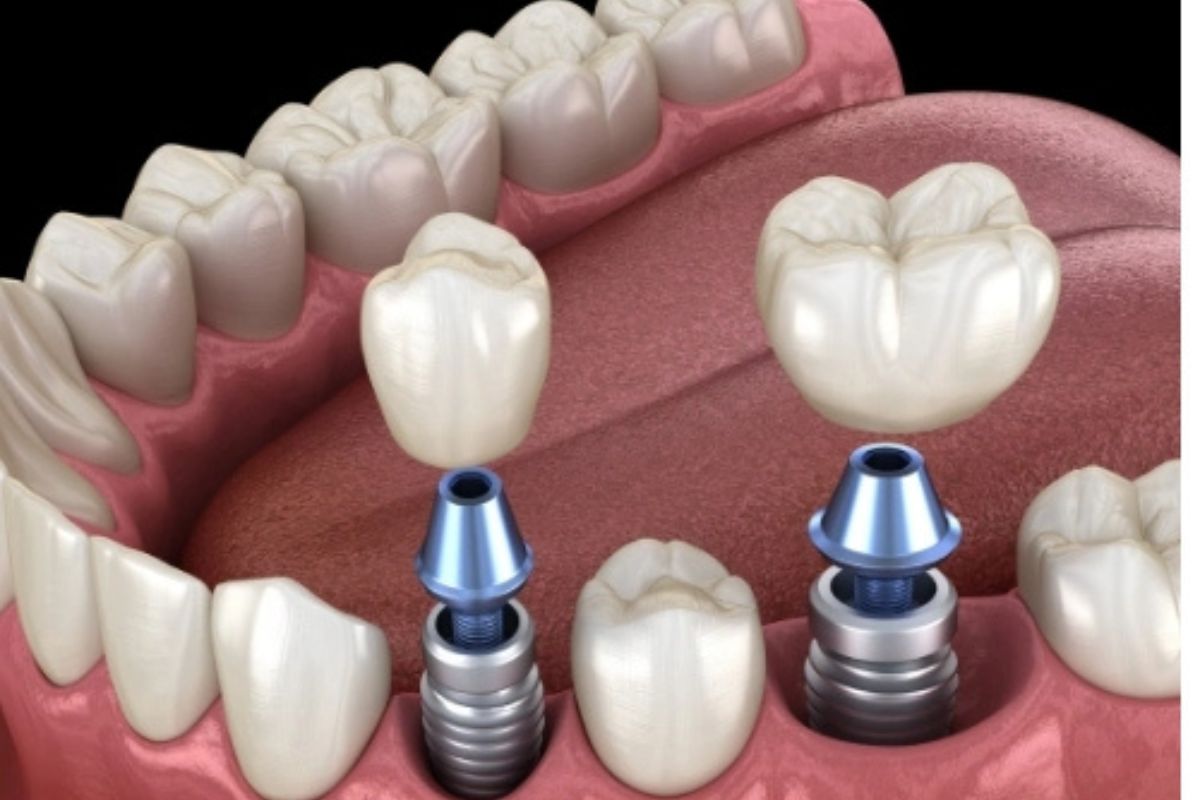
The restoration placed on top of the implant (e.g., crown, bridge, or denture) may need replacement or maintenance over time. While the implant itself may last for decades, the crown or other restorations may wear down or become damaged after 10 to 15 years. However, these restorations are much easier to replace than the implant itself.
Can Dental Implants Fail?
Although implants are highly successful, they are not immune to failure. The failure rate is relatively low, but certain factors can increase the likelihood of complications. These include infection, bone loss, implant rejection, or improper placement. The good news is that with proper care and regular dental check-ups, the risk of failure can be minimized.
Tips for Maximizing the Lifespan of Your Implanted Tooth
To ensure that your implants last as long as possible, follow these helpful tips:
- Practice Good Oral Hygiene: Brush your teeth at least twice a day, floss daily, and use an antimicrobial mouthwash to prevent plaque buildup around your implants.
- Regular Dental Visits: Schedule regular check-ups with your dentist to monitor the condition of your implants and surrounding tissues. Professional cleanings will help maintain the health of your gums and implants.
- Avoid Smoking: If you smoke, try to quit, as smoking can interfere with the healing process and contribute to gum disease, which can lead to implant failure.
- Wear a Nightguard if You Grind Your Teeth: If you have a habit of grinding your teeth, especially at night, consider wearing a custom nightguard to protect your implants from the pressure.
- Eat a Balanced Diet: Ensure you’re getting adequate nutrition to support healthy bones and gums. A diet rich in calcium, vitamin D, and other essential nutrients will help keep your implants and natural teeth strong.
- Avoid Excessive Force: Be mindful of biting into hard objects or using your teeth for tasks other than eating. This can prevent unnecessary stress on your implants and reduce the risk of damage.
Signs of Implant Failure You Need to Keep an Eye on
While this missing teeth replacement treatment is typically durable, it’s essential to be aware of any potential problems that may arise. If you experience any of the following symptoms, contact your implant provider immediately:
- Persistent pain or discomfort around the implant
- Swelling or infection around the implant site
- Gum recession or bleeding near the implant
- Implant mobility or loosening
- Changes in bite or difficulty chewing
Early intervention can prevent complications and prolong the life of your false teeth.
Get a Long-lasting Solution for Your Missing Teeth
While the implants themselves can last for decades with proper care, the restorations (such as crowns) may need to be replaced every 10 to 15 years. By practicing good oral hygiene, maintaining a healthy lifestyle, and scheduling regular check-ups with your implant specialist, you can ensure the longevity of your implants.
Are you in search of a trusted implant specialist? Contact us to schedule a consultation and learn how this advanced treatment can help you achieve a permanent, beautiful smile! We have our dental offices both in Lehigh Acres and Fort Myers to ensure convenience for Floridians. Book your appointment today!
Frequently Asked Questions
How long do dental implants last on average?
Dental implants typically last between 20 to 30 years, with proper care and regular dental visits. Some patients may experience even longer lifespans, depending on their bone health and lifestyle factors.
What factors can affect the lifespan of dental implants?
The longevity of dental implants is influenced by factors such as bone health, oral hygiene, lifestyle habits (e.g., smoking), implant quality, and the dentist’s expertise in placement.
How do I know if my dental implant is failing?
Signs of implant failure include persistent pain, swelling, gum infection, implant mobility, or changes in your bite. If you notice these symptoms, it’s important to consult with your dentist for evaluation and treatment.
Are dental implants safe?
Yes, dental implants are considered safe and have a high success rate. However, like any medical procedure, there are risks involved, which can be minimized with proper planning, care, and by choosing an experienced dentist.
Do I need to replace my dental implant over time?
Dental implants themselves are designed to last a lifetime, but the crowns, bridges, or dentures on top of the implant may need to be replaced after 10-15 years due to normal wear and tear.
Can I eat normally with dental implants?
Yes, dental implants function just like natural teeth. After your implant has fully healed and integrated with the bone, you can enjoy most foods without restrictions, though you should avoid very hard or sticky foods to prevent damage.
What are the benefits of choosing dental implants over dentures?
Dental implants offer several advantages over dentures, including a more natural look, better functionality, no need for adhesives, and they prevent bone loss by stimulating the jawbone, unlike dentures, which can lead to further bone deterioration.