Same Day Emergency Dentistry!


Fillings
Schedule Appointment
Fillings
Cavities are one of the most common dental concerns — but with prompt treatment, they're also one of the most straightforward to resolve. A tooth-colored filling restores the tooth quickly, comfortably, and discreetly.
Schedule Appointment
From Small Cavity to Bigger Problem
Decay doesn't stay small on its own. What starts as a minor cavity spreads deeper into the tooth over time, eventually reaching the nerve and turning a simple filling into something far more involved. Treating it early keeps the process quick, the cost manageable, and your tooth intact.
When a Filling is the Right Solution
Fillings are one of the most versatile restorative tools in dentistry. Beyond treating a standard cavity, they're often the right choice in the following situations:
- A cavity detected during a routine exam before any pain or sensitivity develops
- A small chip or crack that has compromised the tooth's surface but left the structure largely intact
- Worn enamel caused by grinding or acidic erosion that has created rough or sensitive spots
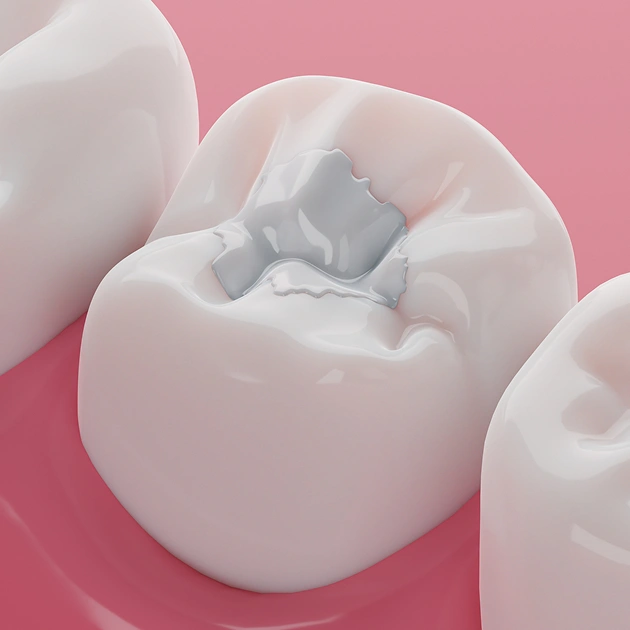
- An old amalgam (silver) filling that is deteriorating, discolored, or no longer sealing properly
- Minor damage to a tooth's biting surface that doesn't warrant a full crown
- A tooth with early-stage decay that hasn't yet reached the inner pulp
Quick, Comfortable, and Done Right
Tooth-colored fillings are available at our Fort Myers and Lehigh Acres offices. If it's been a while since your last exam, don't wait, catching decay early keeps your treatment simple and your smile intact.
FAQs
Many cavities don't cause noticeable symptoms in their early stages — which is one of the key reasons regular dental exams matter. When symptoms do appear, they can include tooth sensitivity to sweet, hot, or cold foods and beverages, a visible hole or dark spot on the tooth, or a toothache when biting down. Your dentist will identify any cavities during your exam using visual inspection and X-rays.
Tooth-colored fillings are made from composite resin — a blend of plastic and fine glass particles that can be precisely matched to the shade of your natural tooth. Unlike older amalgam (silver) fillings, composite fillings bond directly to the tooth structure, require less removal of healthy tooth material, and are virtually invisible once placed.
Composite fillings typically last seven to ten years, though many last considerably longer with proper care. Factors such as the size and location of the filling, your bite force, and your oral hygiene habits all influence longevity. We assess the condition of your existing fillings at every routine exam to identify any that may need attention before they fail.
The area is numbed with local anesthesia before any work begins, so you should not feel pain during the procedure — only mild pressure or vibration from the dental instruments. Some sensitivity in the treated tooth for a few days following the appointment is normal and typically resolves on its own. If sensitivity persists or worsens, contact our office.
Yes — many patients choose to replace aging amalgam fillings with composite resin for aesthetic reasons or because the old filling is cracking, leaking, or no longer sealing properly. If an existing filling is showing signs of wear or failure, replacement is often the right clinical decision regardless of aesthetics. We can evaluate your existing fillings and advise whether replacement makes sense in your specific case.
New Patients & Emergency Appointments Welcome!
Schedule Appointment
Call Us