Same Day Emergency Dentistry!


Am I a Candidate for Dental Implants? Here’s What Matters Most
Schedule Appointment

If you’ve lost a tooth — or several — you’ve probably wondered whether implants are even an option for you. Dr. Brian Gear hears the question, “Am I a candidate for dental implants? Here’s what matters most in Lehigh Acres,” regularly at Caloosa Dental. The honest answer is: most adults qualify, but several key factors shape whether implants are the right path for you right now. This article breaks down exactly what matters and what you can do if something stands in the way.
What Makes Someone a Good Candidate for Dental Implants?
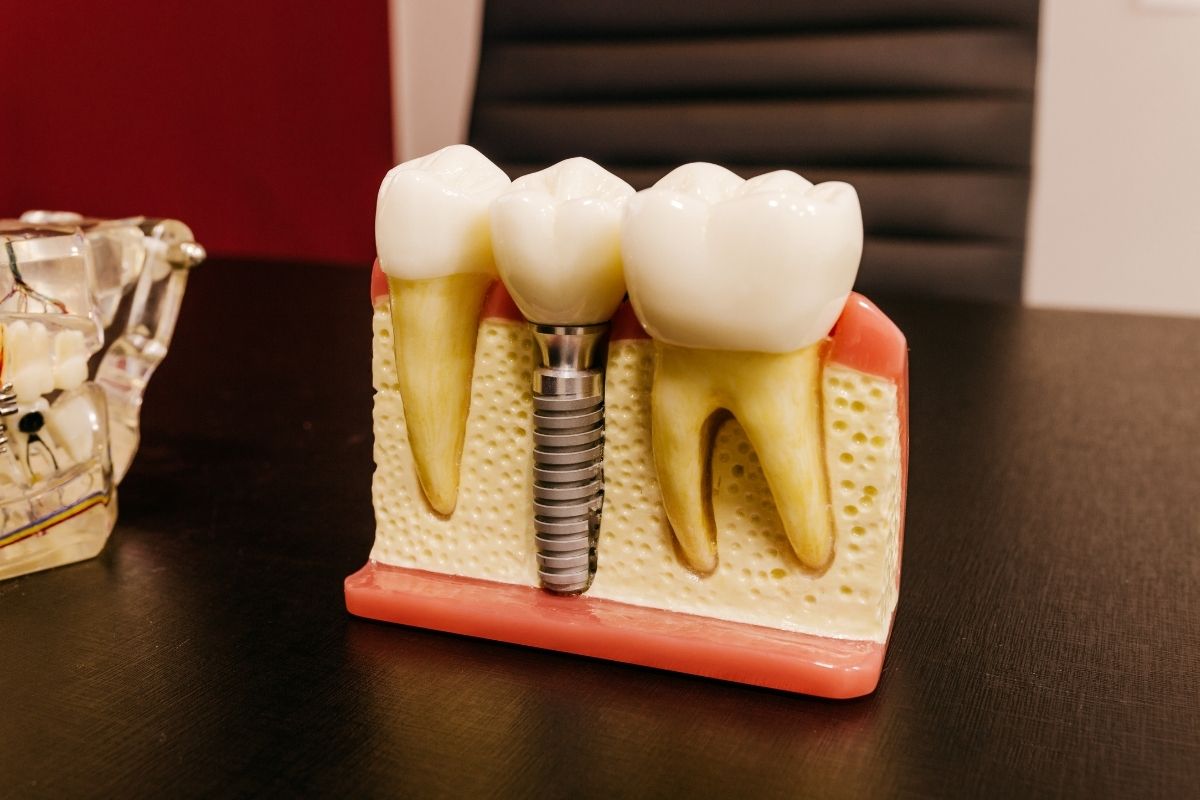
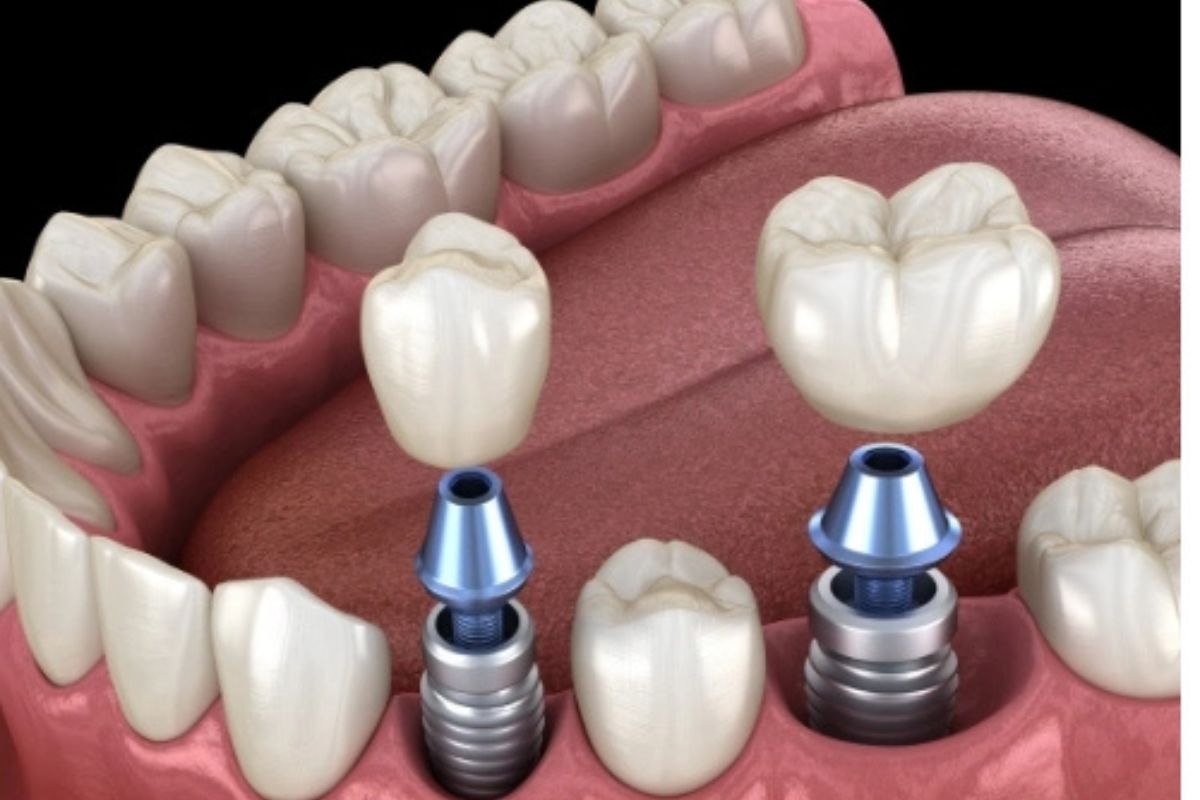
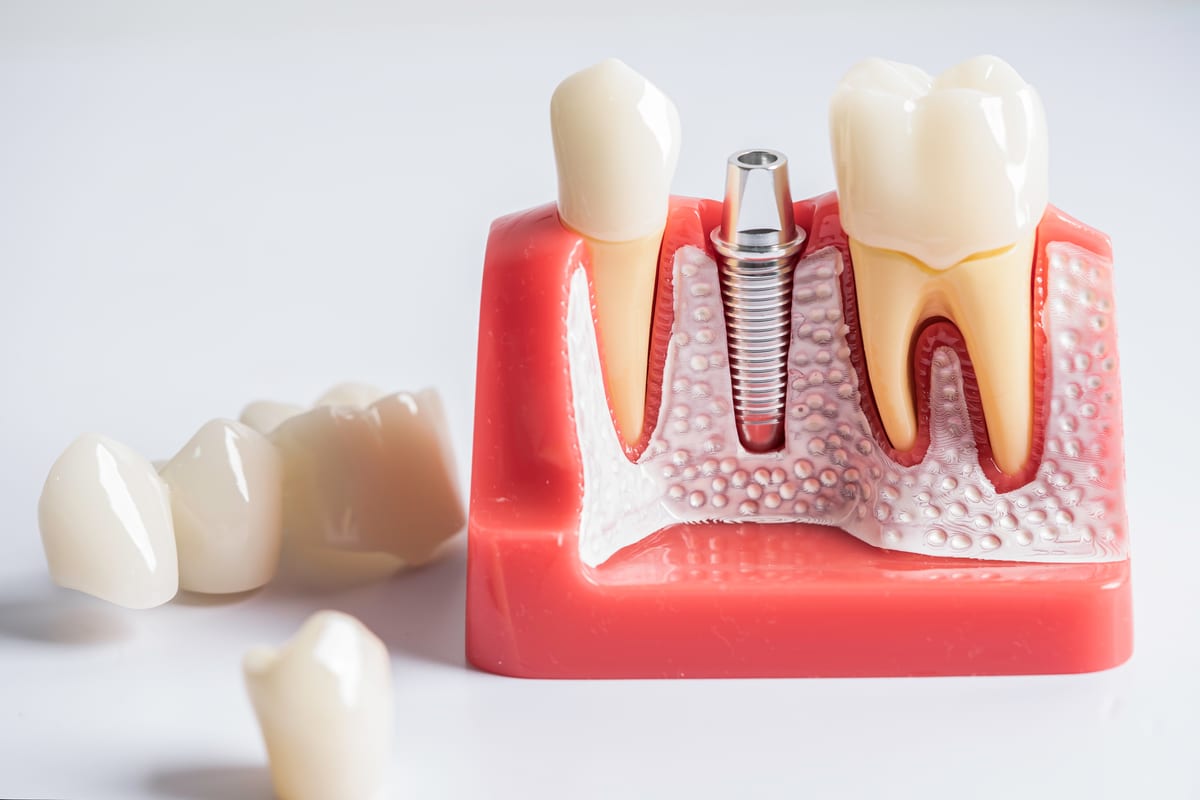
Dental implants replace a missing tooth root with a small titanium post. That post fuses with your jawbone in a process called osseointegration. For this to work reliably, your body needs to meet certain baseline requirements.
The most important factors Dr. Gear evaluates include:
- Adequate jawbone density to anchor the implant securely
- Healthy gum tissue free from active periodontal disease
- Good general health that supports healing after surgery
- Completed jaw development — typically reached in early adulthood
- Commitment to oral hygiene before and after the procedure
Most adults in Lehigh Acres who are missing teeth meet the majority of these criteria. A thorough consultation with digital X-rays or a 3D scan tells the full story. This assessment is the starting point for every dental implant conversation at Caloosa Dental.
Does Age Affect Your Candidacy for Dental Implants in Lehigh Acres?
Age comes up constantly in implant consultations and there are two ends of the spectrum to understand. On the younger side, implants are generally not placed until the jawbone has fully matured. This usually happens around age 18 for women and slightly later for men. Placing an implant too early risks disrupting natural jaw growth.
On the older end, there is no upper age limit for dental implants. Patients in their 70s and 80s receive implants successfully every year. What matters far more than your age is your overall health and bone quality. A healthy 75-year-old is often a better candidate than an unhealthy 45-year-old.
For older adults, Dr. Gear may order additional imaging to assess bone density carefully. He also reviews any medications that could affect healing. Age alone should never discourage you from exploring implants as a solution.
How Bone Density and Gum Health Impact Implant Success
Bone density is arguably the single most important physical factor in implant candidacy. When a tooth is missing, the jawbone beneath it begins to shrink — a process called resorption. This can happen faster than most people expect, sometimes within months of tooth loss.
If significant bone loss has already occurred, that doesn’t automatically disqualify you. A procedure called bone grafting can rebuild volume in the area before or during implant placement. Grafting adds time to the overall process, but it makes implants possible for many patients who would otherwise be turned away.
Gum health is equally critical. Active gum disease creates bacteria that attack the implant just as readily as natural teeth. Our team at Caloosa Dental offers restorative dentistry, including periodontal care to bring gum health up to the standard needed for implant surgery. Treating gum disease first is not a setback — it’s a necessary step toward long-term implant success.
Health Conditions That Can Affect Implant Candidacy
Certain systemic health conditions require extra consideration before placing dental implants. None of them are automatic disqualifiers, but they do require honest conversation and careful planning. Dr. Gear takes a thorough medical history during every implant consultation for exactly this reason.
Conditions that may affect candidacy include:
- Uncontrolled diabetes — elevated blood sugar slows healing and raises infection risk
- Autoimmune disorders — some conditions interfere with osseointegration
- Osteoporosis — certain medications used for this condition can affect bone healing
- Cancer treatment — radiation to the jaw area specifically can reduce implant success rates
- Blood-thinning medications — these require coordination between your dentist and physician
Managed or controlled versions of most conditions still allow successful implant placement. The key word is controlled. If your diabetes is well-managed, for example, your implant outcomes are often comparable to those of non-diabetic patients. Always disclose your full health history — it helps Dr. Gear create the safest possible plan.
Does Smoking Affect Whether You Qualify for Dental Implants?
Smoking is one of the most significant risk factors for implant failure. Tobacco use restricts blood flow to the gums and bone. That reduced circulation impairs healing and dramatically raises the chance that an implant will fail to integrate properly.
Studies consistently show that smokers experience implant failure at higher rates than non-smokers. Heavy smokers face the highest risk. This is an honest conversation worth having, not a reason to feel judged.
Many patients choose to stop smoking — at least temporarily — around the time of their implant surgery. Dr. Gear can discuss timing and risk reduction strategies during your consultation. If quitting isn’t currently an option, he will be transparent about how that affects your expected outcomes and explore whether alternative solutions better fit your situation.
What If You’re Not Quite Ready for Implants Yet?
Being told you need preparatory treatment first can feel frustrating. But it’s important to understand that these steps exist to protect your investment and your health. Rushing into implant placement without proper groundwork leads to failures that are far more costly and difficult to correct.
While you prepare for implants, your smile doesn’t have to stay as-is. Options like Whitening Treatments patients love can help improve your existing teeth’s appearance in the meantime. Dentures or bridges may also serve as temporary solutions while bone grafting or gum treatment takes place.
The goal is always to get you to a place where implants can succeed long-term. Dr. Gear and the Caloosa Dental team create realistic timelines so you always know what to expect at each stage.
Taking the First Step Toward Dental Implants in Lehigh Acres
The only reliable way to know if you’re a candidate is to have a proper evaluation. Online self-assessments and general information can only take you so far. A clinical exam, current X-rays, and a face-to-face conversation with Dr. Gear provide the real answers.
At Caloosa Dental in Lehigh Acres, the implant consultation is thorough and pressure-free. Dr. Gear walks through your imaging, reviews your health history, and explains every option available to you. You leave knowing exactly where you stand and what realistic next steps look like.
Many patients are surprised to learn they qualify sooner than they expected. Others appreciate the honesty about what preparation is needed first. Either way, you walk away informed. Schedule your appointment with our team.
Frequently Asked Questions
Can I get dental implants if I have bone loss?
Yes, in many cases. Bone grafting can rebuild lost volume before or during implant placement. Dr. Gear will evaluate the extent of bone loss with imaging and recommend whether grafting is needed. Many patients with bone loss successfully receive implants after this preparatory step.
Is there an age limit for dental implants?
There is no upper age limit. Adults of any age can receive implants as long as their health and bone density support the procedure. The lower limit is typically around 18, when jaw development is complete. Dr. Gear assesses each patient individually regardless of age.
How do I know if my gums are healthy enough for implants?
A clinical exam and X-rays will reveal whether active gum disease is present. If periodontal disease is detected, it must be treated and stabilized before implant surgery. Healthy gum tissue is essential for implant longevity and is something our team addresses as part of the overall treatment plan.
Can smokers get dental implants?
Smokers can receive implants, but the risk of failure is higher. Tobacco use reduces blood flow and impairs healing. Dr. Gear recommends quitting or significantly reducing smoking around the time of surgery. He will be straightforward about how smoking affects your specific risk level and outcomes.
How long does the entire dental implant process take?
The timeline varies depending on your individual situation. A straightforward implant case may take three to six months from placement to final crown. If bone grafting or periodontal treatment is needed first, the process may take longer. Dr. Gear provides a personalized timeline during your consultation so you know exactly what to expect.