Same Day Emergency Dentistry!


Dental Implant Bone Grafting: What to Expect During the Process
Schedule Appointment


Are you considering dental implants but have been told you may need additional support because of low jawbone density? Many patients feel uncertain when they hear they need a bone graft before replacing missing teeth.
At Caloosa Dental in Fort Myers, Dr. Gear helps patients understand each stage of treatment so they can make informed decisions about their oral health.
For many people exploring dental implants, preparing the jawbone is an important step toward creating a stable foundation for tooth replacement. This article explains why bone support matters, how the procedure works, what recovery involves, and what patients can expect before moving forward with implant treatment.
Why Is Bone Grafting Needed Before Dental Implant Placement?
Bone grafting helps rebuild areas of the jaw where bone volume is not sufficient to support an implant. After tooth loss, the jawbone may gradually lose density because it no longer receives stimulation from the natural tooth root.
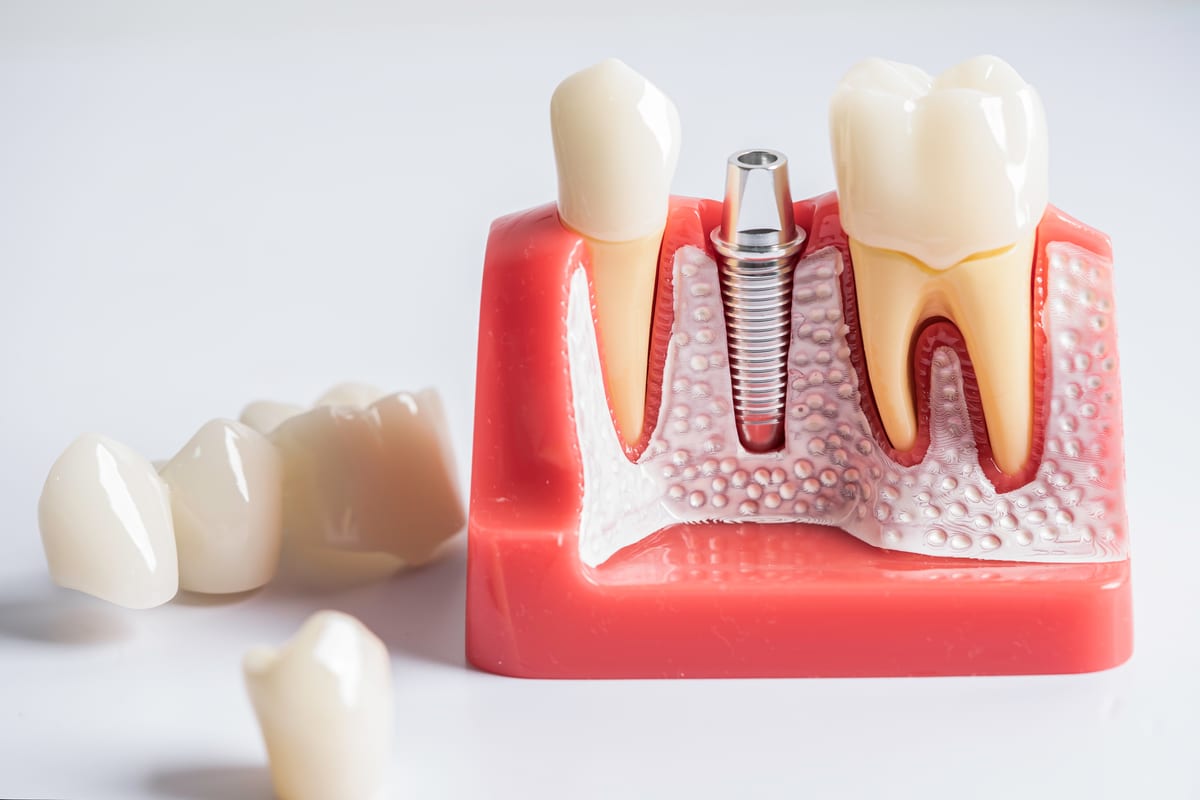
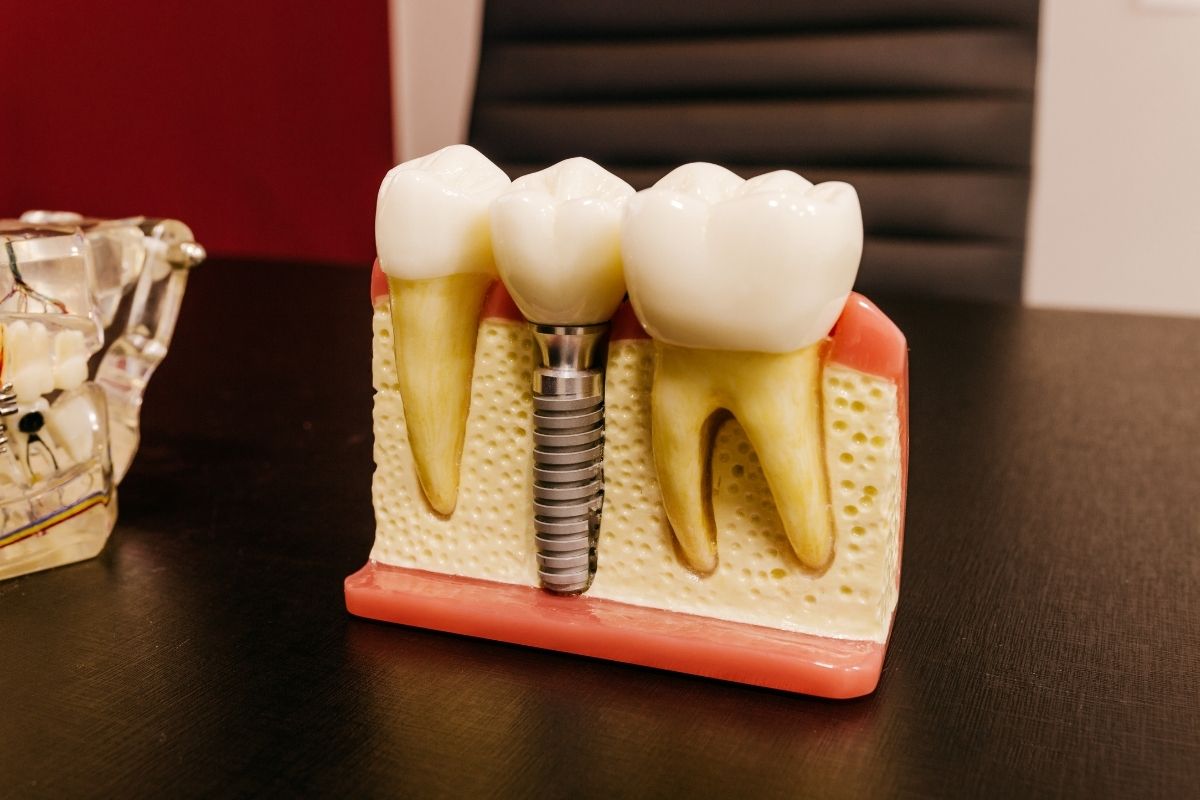
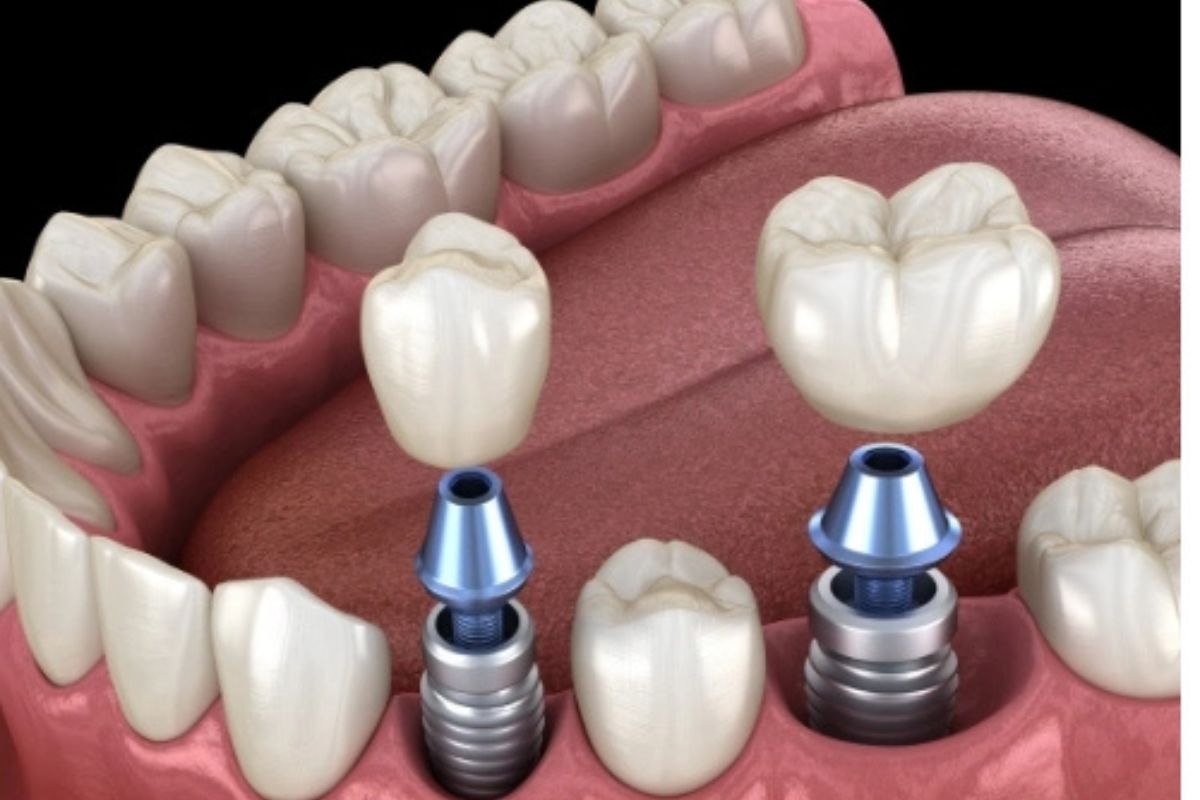
A dental implant requires strong bone support to maintain stability. During a consultation, an implant dentist evaluates the condition of the jawbone through dental imaging and a clinical examination. This assessment helps determine whether additional preparation is needed before implant placement.
Common reasons patients may need bone support include:
- Tooth loss that occurred several months or years ago
- Bone shrinkage after extraction
- Gum disease that affected the supporting structures
- Trauma or injury to the jaw
- Natural differences in bone thickness and density
Preparing the treatment area first allows the dentist to create a predictable foundation for restoring missing teeth.
How Does the Dental Implant Bone Grafting Process Work?
The dental implant bone grafting process involves adding material to an area where the jawbone needs more volume. The graft material acts as a framework that allows the body to develop new bone in the treated area.
The process usually includes these steps:
1. Comprehensive Evaluation and Treatment Planning
Before treatment begins, the dentist reviews your dental history, examines your teeth and gums, and uses imaging technology to evaluate bone structure.
Advanced imaging helps identify:
- Available bone height and width
- The location of nearby nerves and sinus areas
- The ideal position for future implant placement
This detailed planning helps determine the appropriate approach for each patient.
2. Preparing the Treatment Area
During the procedure, the dentist carefully accesses the area that requires additional bone support. The graft material is placed in the target location and protected to allow proper healing.
Depending on the situation, dentists may use different graft materials, including:
- Bone taken from another area of the patient’s body
- Donor-derived bone materials
- Synthetic graft materials
The dentist selects the option based on clinical needs and individual treatment goals.
3. Healing and Bone Development Period
After placement, the graft area needs time to heal. The body gradually replaces and strengthens the graft material with new bone tissue.
Healing time varies depending on:
- The size and location of the graft
- Overall oral health
- The patient’s healing response
- The type of procedure performed
Your dental provider will monitor healing and determine when the area is ready for the next stage of implant treatment.
What Should Patients Expect During Recovery After Bone Grafting?
Many patients want to know whether recovery will interfere with daily activities. Most people experience some temporary changes after the procedure, such as mild swelling, tenderness, or sensitivity around the treatment area.
Following post-treatment instructions can support proper healing. These instructions may include:
- Keeping the surgical area clean
- Following dietary recommendations
- Avoiding pressure on the treated area
- Taking prescribed medications as directed
- Attending follow-up visits
Patients planning dental implants often benefit from understanding that preparation is part of creating a stable treatment pathway, not an unnecessary delay.
Can I Get Dental Implants Without Bone Grafting?
Some patients can receive implants without additional bone preparation, but others require treatment first because their jaw lacks sufficient support.
Skipping necessary preparation may affect the stability of the implant. During your consultation, an implant dentist will determine whether your existing bone structure can support implant placement or whether additional procedures are recommended.
Patients often ask if they can wait before addressing missing teeth. While every situation differs, delaying treatment may allow changes in the jawbone and surrounding teeth to continue. A professional evaluation helps you understand your options before deciding on the next step.
What Factors Affect the Success of Bone Preparation Before Implants?
Several factors influence how well the treatment area heals. Your dentist considers your overall health, oral hygiene habits, gum condition, and the location of the missing tooth.
Important factors include:
- Maintaining healthy gums
- Managing existing dental infections
- Avoiding tobacco products
- Following recovery instructions
- Keeping regular dental appointments
A complete evaluation allows the dentist to identify concerns early and create an appropriate treatment plan.
Patients searching for an implant dentist often want to know what makes a treatment experience comfortable and predictable. Clear communication, careful planning, and proper follow-up care help patients feel more confident throughout the process.
Restore Your Smile With Proper Implant Preparation at Caloosa Dental
Missing teeth can affect chewing ability, confidence, and overall oral health. Proper planning helps create a strong foundation for replacing teeth and restoring function.
If you are exploring tooth replacement options and want to learn whether bone preparation is right for you, visit our dental office in Fort Myers. The team can evaluate your oral health and explain the steps needed before moving forward with treatment. Book an appointment today. Many patients looking for dental implants in Fort Myers choose us for professional guidance to understand their options and make informed decisions.
Frequently Asked Questions
1. How Long Does Bone Graft Healing Take Before Implant Placement?
Healing time depends on the amount of bone support needed and how your body responds to treatment. Many patients require several months for the area to develop sufficient strength before implant placement. Your dentist will evaluate healing progress through follow-up examinations and imaging.
2. Is Bone Grafting Painful?
Most patients receive local anesthesia during the procedure, which helps manage discomfort. Afterward, some swelling or tenderness may occur. Following recovery instructions and attending follow-up visits can help support a smoother healing process.
3. What Happens If I Do Not Have Enough Jawbone For An Implant?
Insufficient jawbone may make implant placement more challenging. A dentist can evaluate your bone structure and discuss available options, which may include rebuilding the area before placing an implant.
4. Can Gum Disease Affect My Ability To Receive Dental Implants?
Yes. Healthy gums support successful implant treatment. Patients with active gum concerns may need periodontal care before beginning implant procedures to create a healthier oral environment.
5. How Do I Know If I Need Bone Preparation Before An Implant?
A dental examination with imaging is the most reliable way to determine your bone condition. An implant dentist can review your jaw structure and explain whether additional preparation is recommended before replacing missing teeth.