Same Day Emergency Dentistry!


How Long Does a Root Canal Treatment Take for Patients in Fort Myers?
Schedule Appointment

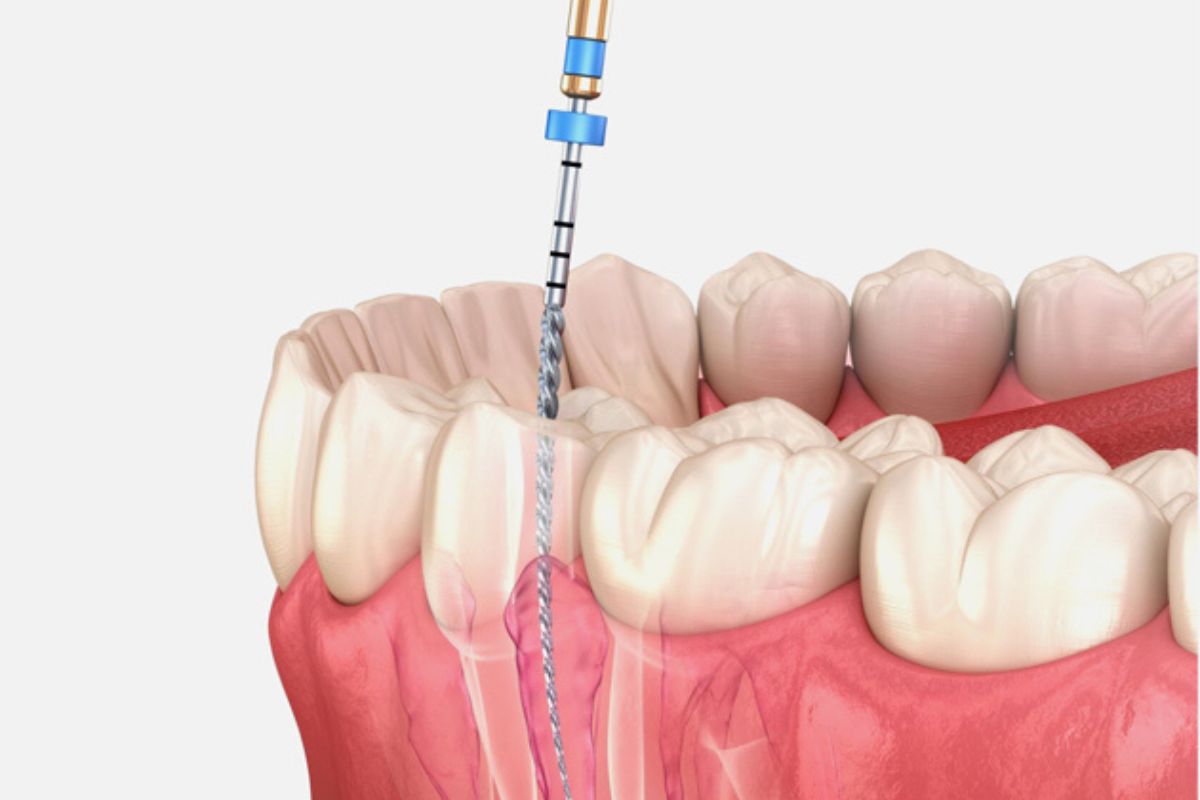
A severe toothache can interrupt your entire day. It may keep you awake at night, make eating difficult, and leave you wondering how long treatment will actually take. One of the most common concerns patients have before visiting a dental office is whether a root canal procedure will take hours, multiple appointments, or a long recovery period. The good news is that modern dental technology has made root canal treatment far more efficient and comfortable than many people expect.
Patients across Fort Myers often seek timely treatment because delaying an infected tooth can lead to worsening pain, swelling, and complications. Understanding the process ahead of time can help you feel more prepared and confident before your visit.
What Is a Root Canal Treatment?
A root canal is a restorative dental procedure that removes infected or damaged tissue from inside a tooth. The treatment focuses on the tooth pulp, which contains nerves and blood vessels. Once the infection is removed, the canals are cleaned, disinfected, and sealed to preserve the natural tooth structure.
Today’s techniques are more advanced than ever. Digital imaging, rotary instruments, and precise diagnostic tools help dentists complete treatment efficiently while improving patient comfort. Many Fort Myers dental offices now offer same-day evaluations and streamlined care for dental emergencies.
How Long Does a Root Canal Usually Take?
The timeline depends on the condition of the tooth, the number of canals involved, and the severity of infection. In many cases, treatment can be completed in about 60 to 90 minutes. Simpler cases may require just one appointment, while complex infections can take two visits.
Here is a general breakdown of treatment times:
| Tooth Type | Average Treatment Time | Typical Visits |
|---|---|---|
| Front Tooth | 45–60 minutes | Usually 1 visit |
| Premolar | 60–90 minutes | 1–2 visits |
| Molar | 90+ minutes | Often 2 visits |
Molars typically take longer because they contain more canals and have a more complicated structure.
Factors That Can Affect Treatment Time
Severity of Infection
A mild infection is usually easier to clean and seal. However, if the infection has spread deeper into the root canals or surrounding tissue, additional cleaning and medication may be necessary. Dentists may place antibacterial medication inside the tooth and complete the procedure during a second appointment.
Tooth Location
Front teeth are generally faster to treat because they often contain one root canal. Back molars can contain three or more canals, requiring additional precision and time.
Previous Dental Damage
Teeth with cracks, extensive decay, or previous dental work may need extra preparation before the canals can be treated properly.
What Happens During the Appointment?
Understanding each step can ease anxiety before treatment.
Examination and Imaging
The dentist first examines the tooth and takes digital X-rays to evaluate the infection and root structure.
Local Anesthesia
The area around the tooth is numbed thoroughly. Most patients report feeling pressure rather than pain during the procedure.
Cleaning the Canals
The infected pulp is removed carefully. The canals are then cleaned, shaped, and disinfected.
Filling and Sealing
Once the infection is cleared, the canals are sealed using a biocompatible material. A temporary or permanent restoration may then be placed.
Crown Placement
Some teeth, especially molars, may require a dental crown afterward to restore strength and protect the tooth from future damage.
Can a Root Canal Be Done in One Visit?
Yes, many patients complete treatment in a single appointment. This is especially common when:
- The infection is detected early
- The tooth structure is stable
- There is minimal swelling
- The canals are straightforward
However, some situations require a second appointment to ensure the infection fully clears before sealing the tooth.
Is Recovery Time Long?
Most patients return to normal activities the same day or the following morning. Mild tenderness for a few days is common, particularly if the tooth was severely infected before treatment.
Patients are typically advised to:
- Avoid chewing hard foods temporarily
- Brush and floss gently around the area
- Attend follow-up appointments if needed
- Contact the dental office if swelling or severe discomfort develops
Modern root canal therapy focuses heavily on patient comfort and faster recovery.
Signs You May Need a Root Canal
Many people wait too long before seeking treatment because they assume the pain will disappear on its own. Symptoms often include:
- Persistent tooth pain
- Sensitivity to hot or cold
- Swollen gums
- Tooth discoloration
- Pain while chewing
- A recurring bump on the gums
If these symptoms are ignored, the infection can worsen and threaten the tooth’s survival.
Why Patients in Fort Myers Seek Early Treatment
Fort Myers patients often look for fast relief because tooth pain can quickly interfere with work, travel, and daily life. Dental professionals increasingly emphasize conservative treatment that saves natural teeth whenever possible.
With advanced endodontic techniques available today, our root canal therapy in Fort Myers is designed to remove infection efficiently while helping patients maintain long-term oral health.
Common Myths About Root Canal Treatment
Myth: Root canals are extremely painful
Modern anesthesia and technology have changed the patient experience dramatically. Many patients compare the procedure to receiving a standard filling.
Myth: Tooth extraction is better
Saving the natural tooth is often the preferred option whenever possible. Preserving natural tooth structure helps maintain proper chewing and bite alignment.
Myth: Recovery takes weeks
Most patients recover quickly and resume daily activities within a short period.
Trending FAQs About Root Canal Treatment
- How many visits does a root canal usually take?
Most root canals require one or two appointments depending on the severity of infection and the tooth involved. - Does a root canal hurt during treatment?
Local anesthesia keeps the area numb, so most patients experience little discomfort during the procedure. - How long does numbness last afterward?
Numbness generally wears off within a few hours after the appointment. - Can I drive home after a root canal?
Most patients can safely drive home unless sedation was used. - Will I need a crown after the procedure?
Many treated teeth, especially molars, benefit from a crown for long-term protection. - Is it safe to delay treatment?
Delaying treatment can allow the infection to spread and increase the risk of tooth loss. - Can a root canal save my natural tooth?
Yes. Root canal therapy is specifically designed to preserve natural teeth whenever possible.
Dental concerns can feel stressful, especially when pain suddenly appears. The best approach is to seek care before the condition becomes more severe. If you are searching for a reliable dentist near you, timely evaluation and professional guidance can help prevent unnecessary complications and support a healthier smile. If you notice signs of infection or ongoing tooth sensitivity, it may be time to schedule an appointment with a dental professional for a full examination.
Root canal treatment has become more comfortable, predictable, and efficient thanks to modern dental advancements. With proper care and timely treatment, many patients can save their natural teeth and return to daily life quickly while enjoying lasting oral health.