Same Day Emergency Dentistry!


Pain After Root Canal: What Pressure Means
Schedule Appointment

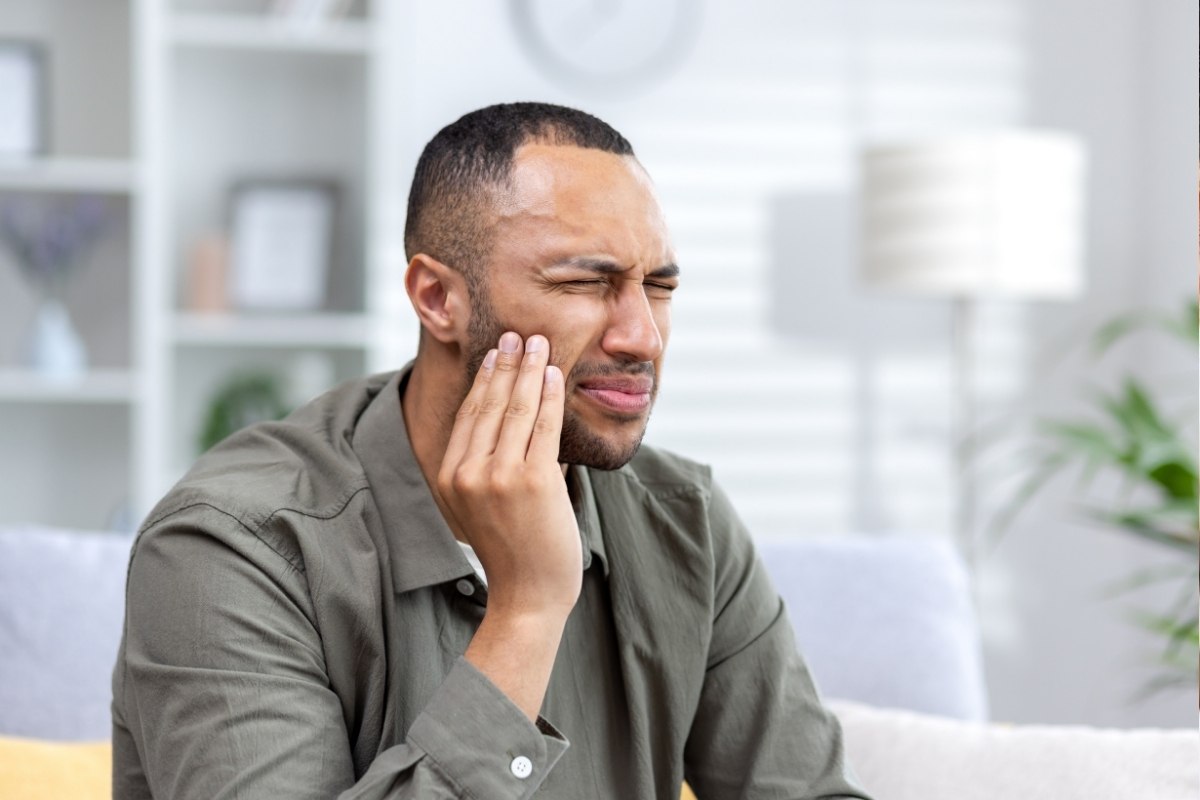
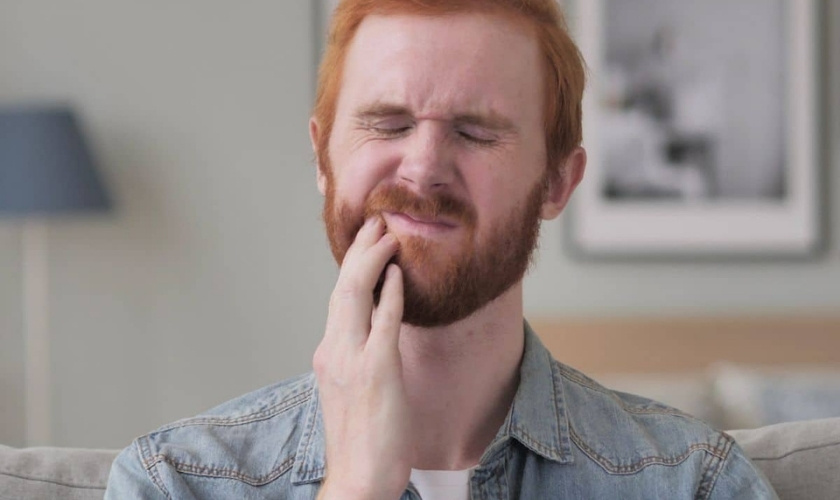
Feeling pressure pain in the root canal of a tooth can be unsettling—especially after completing treatment. While some discomfort is normal during healing, lingering or sharp pressure often signals that your tooth needs a little more attention. Understanding why this happens can help you manage pain after the therapy and get lasting relief.
Even though this procedure saves teeth from infection, the surrounding tissues can stay sensitive for days or weeks. Knowing the reasons behind this discomfort and how to ease it ensures smoother recovery and peace of mind.
Understanding Pain After a Root Canal
Mild soreness or tenderness when biting is common after endodontic therapy. This usually occurs because your mouth is adjusting to changes in the tooth’s internal structure. However, persistent pain should never be ignored.
Common Reasons for Pressure Pain
Here are the common reasons why you might feel pain:
- Inflamed tissue around the tooth: The nerve inside may be removed, but nearby tissues still react to trauma or infection.
- High dental filling or crown: If the restored tooth sits slightly higher than others, pressure while chewing may feel intense.
- Missed or hidden canals: Occasionally, a tiny canal can stay untreated, allowing bacteria to persist and cause inflammation.
- Temporary infection or abscess: Though uncommon, reinfection can develop, especially if the seal is compromised.
- Clenching or grinding habits: Nighttime grinding can stress the treated tooth and increase pressure pain.
When Is Pressure Pain Normal and When Is It Not?
- During the first few days, it’s normal to feel sensitivity or dull throbbing when biting. Over-the-counter pain relief from a root canal, such as ibuprofen or acetaminophen, often helps.
- But if pain worsens, swelling appears, or chewing becomes difficult, it’s time to visit your dentist.
- Persistent or sharp pain can indicate a deeper issue requiring adjustment, medication, or retreatment.
- Always monitor how the tooth responds to pressure over several days.
Quick Tips for Pain Relief After Root Canal Treatment
Here are simple ways to ease tenderness and help the area heal comfortably:
- Avoid chewing on the treated side for a few days.
- Stick to soft foods until sensitivity improves.
- Use cold compresses to reduce inflammation.
- Take anti-inflammatory medication as prescribed.
- Maintain gentle brushing and flossing around the area.
- Avoid grinding or biting hard objects.
- Follow up with your dentist if discomfort persists longer than expected.
- Small steps can make recovery faster and pain-free.
Proper Oral Care After Therapy
These are the habits you should follow:
- Good hygiene ensures that the treated tooth and surrounding gums heal smoothly.
- Brush twice daily using a soft-bristle toothbrush.
- Floss carefully around the crown or treated area.
- Schedule follow-up visits to monitor healing and check bite alignment.
- If you grind your teeth, consider a custom nightguard.
- Avoid sticky or hard foods that can strain the area.
- Prevention is often the best way to stop discomfort from returning.
Get Relief with Caloosa Dental
Don’t ignore ongoing pain after root canal care. If chewing feels difficult or the pain intensifies, contact your dentist promptly. Early attention helps avoid reinfection and restores comfort quickly.
Pressure pain in the root canal of a tooth doesn’t have to disrupt your life. Whether you need pain management after the treatment or long-term protection for your restored tooth, expert care makes a difference. Schedule your visit with us today for compassionate guidance, personalized care, and complete pain relief. Let our team help you smile comfortably again.
FAQs
1. Why does my treated tooth hurt when I apply pressure?
Inflamed tissues or a slightly high crown are common reasons for bite discomfort after treatment.
2. How long does pressure pain last?
Mild pain usually subsides in one to two weeks, but severe or worsening pain needs dental evaluation.
3. Can infection return after treatment?
Yes, if a canal was missed or bacteria re-enter through a leak, infection may recur.
4. Is it normal to feel pain months later?
No. Long-term pressure pain suggests reinfection or bite imbalance that needs correction.
5. What can I take for pain relief?
Dentists usually recommend non-prescription pain relievers. Avoid chewing hard foods until the soreness fades.
6. Can a filling cause pressure pain?
Yes. If the filling is too high, your dentist can reshape it to balance your bite.
7. Should I visit the dentist again?
Absolutely. Persistent or sharp pain needs professional assessment to prevent further issues.