Same Day Emergency Dentistry!


Bleeding Gums: Common Causes and When to See a Dentist
Schedule Appointment

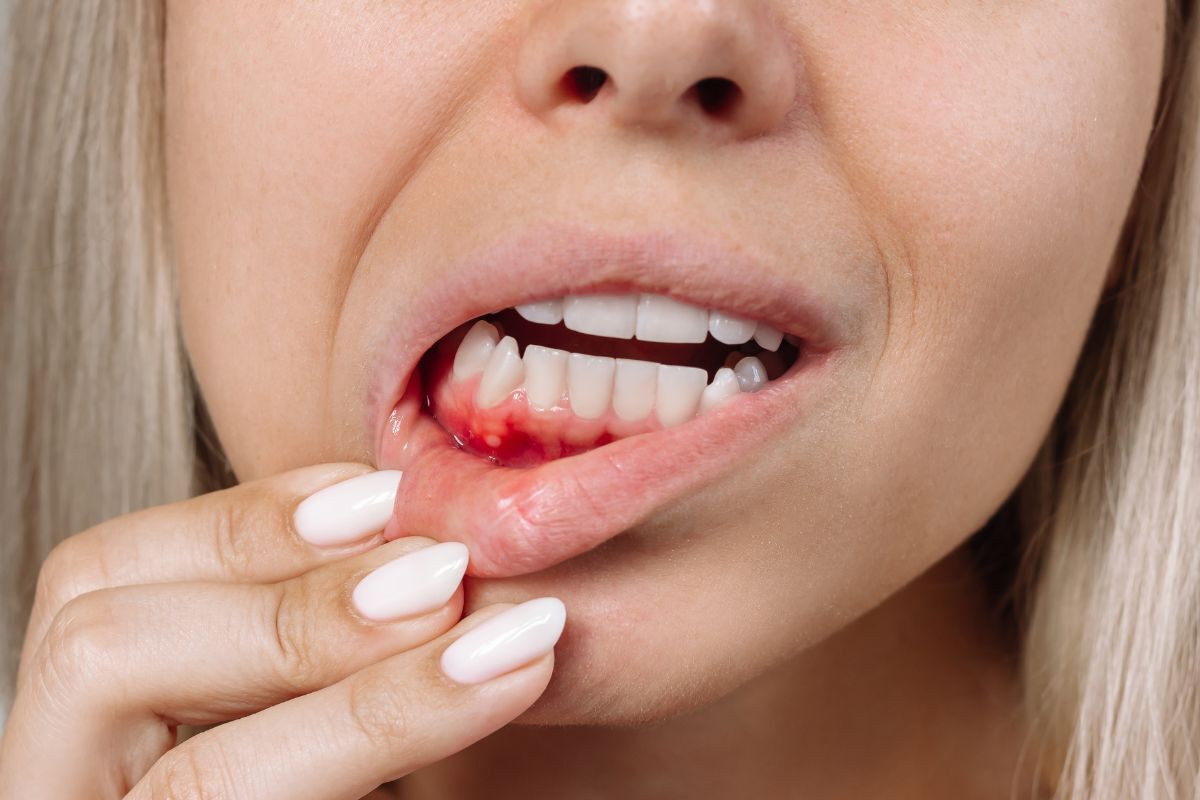
Seeing blood after brushing or flossing can feel alarming. Although occasional irritation may result from brushing too firmly, repeated bleeding often signals inflammation along the gumline. Plaque contains bacteria that irritate gum tissue when it is not removed each day. Over time, this buildup may harden into tartar and increase the risk of gingivitis or periodontitis.
At Caloosa Dental, Dr. Gear helps patients identify changes in their periodontal health before they lead to more serious problems. If your symptoms persist for more than a few days, an evaluation with our Fort Myers dentist can help determine whether your oral hygiene routine, medications, medical history, or an active infection is contributing to the problem.
Why Do My Gums Bleed When I Brush or Floss?
Bleeding gums commonly develop when plaque collects where the teeth and gum tissue meet. The body responds to plaque bacteria with inflammation. This makes the tissue red, swollen, tender, and more likely to release blood when touched by a toothbrush or floss.
Starting a new flossing routine may also cause temporary gum bleeding. Tissue that has not been cleaned between the teeth regularly can be sensitive at first. With gentle daily flossing, this response may improve within one or two weeks. Persistent symptoms, however, should not be considered normal.
What Are the Most Common Causes?
Many peoples ask: is it normal for gums to bleed sometimes? Some are related to daily habits, while others involve health conditions or medications.
Plaque and Tartar Buildup
Plaque is a sticky bacterial film that forms continually on teeth. Brushing and flossing remove it before it hardens. Once plaque becomes tartar, it cannot be removed with a toothbrush. Professional cleaning is required.
Tartar creates a rough surface where additional bacteria can collect. This may keep the gums inflamed even when a person improves brushing at home.
Gingivitis
Gingivitis is the earliest stage of periodontal disease. Common signs include redness, puffiness, tenderness, bad breath, and bleeding during oral hygiene. At this stage, the supporting bone has not been damaged. Gingivitis can often be reversed through professional cleaning and consistent home care.
Periodontitis
Untreated gingivitis may progress to periodontitis. The gum tissue begins to pull away from the teeth, forming pockets that trap bacteria. As the condition advances, it can damage the ligaments and bone supporting the teeth.
Possible warning signs include gum recession, loose teeth, discomfort while chewing, persistent bad breath, or changes in the bite. A dentist for gum disease treatment can assess the depth of periodontal pockets and check for bone loss.
Brushing Too Hard
Using a hard-bristled toothbrush or aggressive pressure can injure delicate tissue. Choose a soft-bristled brush and use small, controlled motions. Brushing harder does not remove more plaque and may contribute to gum recession.
Incorrect Flossing Technique
Snapping floss into the gums can cause small injuries. Guide the floss gently between the teeth, curve it into a C shape around each tooth, and move it beneath the gumline without forcing it.
Health and Lifestyle Factors
Other possible contributors include:
- Smoking or other tobacco use
- Diabetes, especially when blood sugar is not controlled
- Hormonal changes during pregnancy or menopause
- Dry mouth that allows plaque to accumulate more easily
- Stress and reduced immune response
- Crooked teeth that are difficult to clean
- Poor nutrition, including a significant vitamin deficiency
- Medicines that affect clotting or cause dry mouth
Do not stop a prescribed medicine without speaking to the prescribing health care provider.
When Should You Seek Professional Care?
Arrange an examination if the bleeding continues beyond one or two weeks despite gentle brushing and daily flossing. Seek care sooner if it is frequent, heavy, unexplained, or accompanied by swelling, pain, pus, fever, loose teeth, or facial swelling.
During an assessment, a dentist may examine the gumline, measure periodontal pockets, review medical conditions and medications, and take digital X-rays when bone loss is suspected. Dr. Gear can then explain whether the findings indicate temporary irritation, gingivitis, or a more advanced periodontal condition.
Patients with recurring symptoms can visit our dental office for a complete periodontal evaluation. Seeing a dentist early for gum disease treatment may prevent inflammation from progressing and make care less complex.
How Are Inflamed or Diseased Gums Treated?
The right approach depends on the cause and severity of the condition. Treatment may include:
- Professional cleaning: Removes plaque and tartar from above the gumline.
- Improved home care: Includes brushing twice daily with fluoride toothpaste and cleaning between the teeth every day.
- Scaling and root planing: Cleans bacterial deposits from below the gumline and smooths root surfaces.
- Prescribed antimicrobial care: A rinse or locally applied medication may be recommended in certain cases.
- Periodontal maintenance: More frequent cleanings can help control bacteria after active care.
- Surgical care: Advanced periodontitis may require procedures to access deep deposits or address damaged supporting tissues.
A dentist for gum disease treatment will recommend treatment based on clinical findings rather than symptoms alone. Early care often focuses on controlling plaque and inflammation. Advanced disease may require ongoing management because lost supporting bone does not grow back through brushing alone.
How Can You Protect Your Gums at Home?
Brush for two minutes twice daily with a soft-bristled toothbrush. Clean between every tooth once a day with floss, an interdental brush, or another recommended device. Replace a worn toothbrush, clean carefully around crowns or bridges, avoid tobacco, and attend routine examinations.
Do not stop brushing an area just because it bleeds. Avoiding it allows more plaque to remain. Instead, use gentle pressure and ask a dentist to review your technique if the problem continues.
Take the Next Step Toward Healthier Gums in Fort Myers
Don’t ignore bleeding gums if they happen repeatedly. Timely care can identify gingivitis before it advances or help control existing periodontitis. For a thorough assessment and appropriate gum disease treatment, contact Caloosa Dental. Book an appointment with our dentist in Fort Myers and take a proactive step toward protecting your gums, teeth, and long-term oral health.
Frequently Asked Questions
1. Can brushing too hard cause gum bleeding?
Yes. Excessive pressure and hard bristles can irritate tissue and contribute to recession. Switch to a soft-bristled toothbrush and use gentle circular motions. Continued symptoms need a professional assessment because plaque-related inflammation may also be present.
2. Is gum bleeding normal when I start flossing?
Mild bleeding can occur when you begin flossing after a long break. It should lessen as inflammation improves with gentle daily cleaning. If it continues beyond one or two weeks, arrange an examination to rule out periodontal disease.
3. Can gingivitis be reversed?
Gingivitis can often be reversed because it has not yet destroyed the supporting bone. Professional cleaning, twice-daily brushing, and daily interdental cleaning help control plaque. Delayed care may allow the condition to progress into periodontitis.
4. Can stress affect my gums?
Chronic stress may influence immune function and make consistent oral hygiene more difficult. It can also contribute to clenching or grinding. Stress alone does not confirm periodontal disease, but persistent changes should be professionally evaluated.
5. Does periodontitis always cause pain?
No. Periodontitis may advance with little or no discomfort. Receding tissue, persistent bad breath, loose teeth, or changes in the bite may appear instead. Routine periodontal measurements can detect problems that are not obvious at home.
6. What happens if periodontal disease is not treated?
The infection may damage the tissue and bone that support the teeth. Teeth can shift, become loose, or eventually require removal. A timely assessment can establish an appropriate care plan and help preserve oral function.