Same Day Emergency Dentistry!


What Causes Sudden Tooth Sensitivity and How to Treat It at Home
Schedule Appointment


Picture this: You are enjoying a refreshing iced sweet tea on a hot, sunny afternoon in Fort Myers, or perhaps biting into a crisp slice of key lime pie, and suddenly a sharp, shooting pain zings right through your tooth.
If you have ever winced while sipping a cold drink or eating something hot, you are far from alone. Sudden tooth sensitivity is one of the most common dental complaints we hear at our practice. While it might start as a minor annoyance, ignoring it can lead to bigger dental concerns down the road.
Understanding why your teeth suddenly hurt and knowing how to find temporary relief at home can help you take control of your oral health. However, when home remedies aren’t enough, finding the right dentist for tooth sensitivity treatment is the key to getting back to eating and drinking pain-free.
What Actually Causes Tooth Sensitivity?
To understand why your teeth hurt, it helps to know a little bit about tooth anatomy. The outer layer of your tooth is hard, protective enamel. Beneath the enamel lies a softer layer called dentin, which is filled with microscopic pathways (tubules) leading directly to the nerve center of the tooth, the pulp.
When your enamel wears down, or your gums recede, the dentin is exposed. Hot, cold, sweet, or acidic stimuli can then travel down those tubules and irritate the nerve, causing that characteristic sharp jolt of pain.
Here are the most common culprits behind sudden tooth sensitivity:
1. Worn Enamel from Aggressive Brushing
Brushing your teeth too hard or using a hard-bristled toothbrush might feel like you are getting them extra clean, but it actually wears away your protective enamel over time.
2. Gum Recession
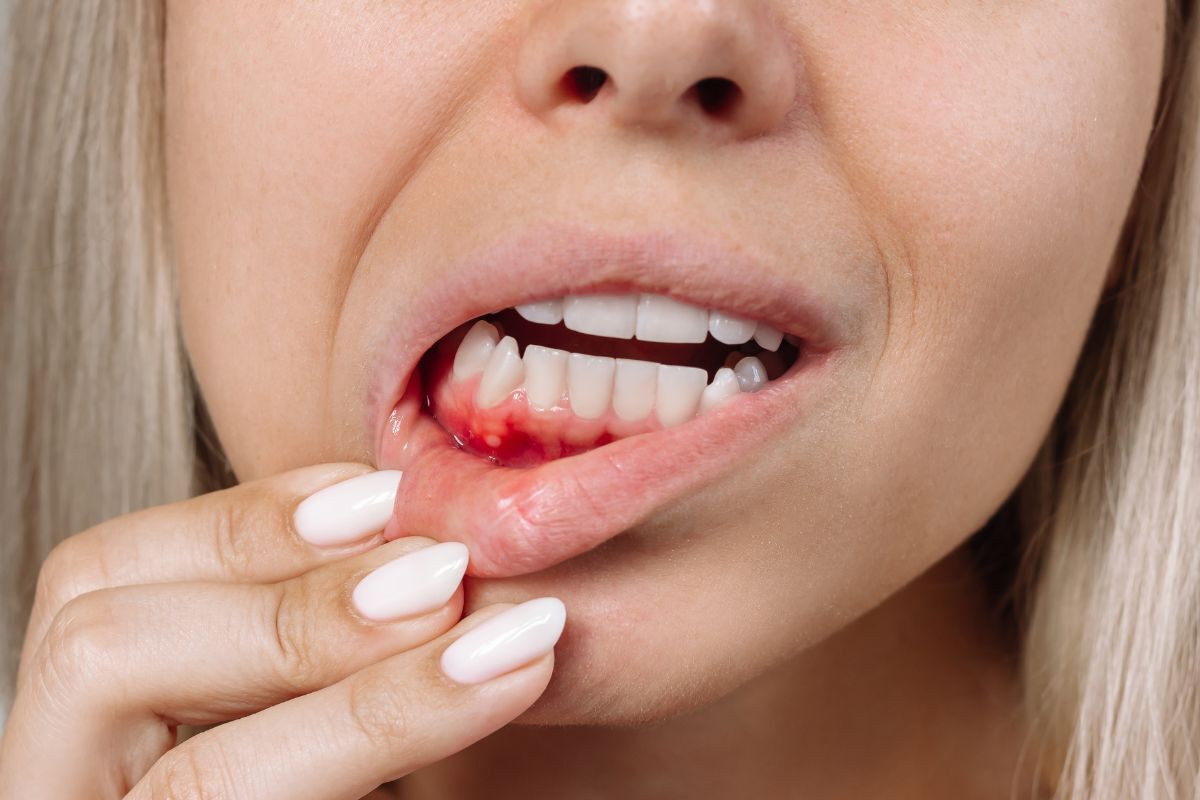
As we age, or if we brush too roughly or develop gum disease, our gums can pull away from the teeth, exposing the sensitive root surfaces that lack enamel altogether.
3. Teeth Grinding (Bruxism)
Stress from work, traffic on I-75, or everyday life can cause you to clench or grind your teeth, especially while sleeping. This wears down enamel rapidly and puts immense pressure on your teeth.
4. Recent Dental Work
It is completely normal to experience mild, temporary sensitivity after getting a new filling, crown, or professional teeth whitening procedure. This usually subsides within a few days.
5. Cracked or Chipped Teeth
A hairline fracture or a chipped tooth can expose the inner pulp, letting hot or cold sensations trigger immediate pain.
Immediate Home Remedies for Tooth Sensitivity
While waiting to see a professional, you can try several safe and effective home remedies to help manage the discomfort and protect your teeth.
Switch to Desensitizing Toothpaste
Over-the-counter desensitizing toothpastes contain compounds (like potassium nitrate) that help block the pathways traveling to the nerve of the tooth. It usually takes about two weeks of consistent use to notice a significant difference, so be patient!
Upgrade to a Soft-Bristled Toothbrush
Ditch the hard bristles immediately. Switch to an extra-soft manual toothbrush or, better yet, a sonic electric toothbrush with a pressure sensor. This ensures you clean plaque away efficiently without scrubbing away your enamel.
Try a Warm Saltwater Rinse
Mix half a teaspoon of salt into a glass of warm water and swish it gently around your mouth for 30 seconds before spitting it out. Saltwater helps reduce oral inflammation and creates a temporary barrier against bacteria.
Avoid Highly Acidic Foods and Drinks
Limit citrus fruits, vinegar-based dressings, sodas, and sports drinks. If you do enjoy an acidic beverage, use a straw to minimize direct contact with your teeth, and rinse your mouth with plain water afterward.
Use a Fluoride Mouthwash
An alcohol-free, fluoride-containing mouthwash can help strengthen weakened enamel and provide an extra layer of defense against temperature changes.
When It Is Time to See a Professional
Home remedies are fantastic for managing mild, occasional discomfort, but they are only temporary band-aids. If your sensitivity lasts for more than a few days, wakes you up at night, or is triggered by biting down, it is time to consult a dentist in Fort Myers.
Sensitivity can sometimes mask deeper issues such as a hidden cavity underneath an old filling, an underlying root infection, or advanced gum recession that requires professional intervention like bonding, fluoride varnish applications, or specialized periodontal care.
Take the Next Step for a Pain-Free Smile
Living with tooth sensitivity can make everyday routines, like enjoying your morning coffee or sharing a meal with family, stressful. You don’t have to live with the discomfort or guess at home remedies forever.
If you are ready to find lasting relief and protect your oral health, we invite you to visit our dental office. Our caring team is here to diagnose the root cause of your discomfort and provide expert care tailored to your unique smile.
Ready to feel better? Book an appointment with Caloosa Dental in Fort Myers today by calling (239) 482-7076, and let us help you smile with confidence again!
Frequently Asked Questions
1. Can tooth sensitivity go away on its own?
If the sensitivity is caused by a very recent dental procedure or mild irritation, it may resolve on its own within a few days. However, if it is caused by enamel erosion, gum recession, or a crack, it will typically worsen without professional treatment.
2. How long does desensitizing toothpaste take to work?
Most people begin to notice a reduction in sensitivity after about one to two weeks of continuous, twice-daily use. For the best results, use a toothbrush with soft bristles and avoid rinsing immediately after brushing so the active ingredients have time to absorb.
3. Is sharp cold sensitivity a sign of a cavity?
Yes, sharp pain triggered by cold foods or drinks is one of the classic warning signs of an active cavity, a worn filling, or exposed tooth roots. A quick examination can pinpoint the exact cause.
4. What treatments can a dentist offer for severe sensitivity?
Depending on the root cause, a dentist can apply professional-strength fluoride gels, place dental bonding over exposed roots, treat gum recession, or recommend custom night guards if grinding is the primary culprit.