Same Day Emergency Dentistry!


How Dental Crowns Can Fix Chipped or Discolored Teeth in Fort Myers
Schedule Appointment

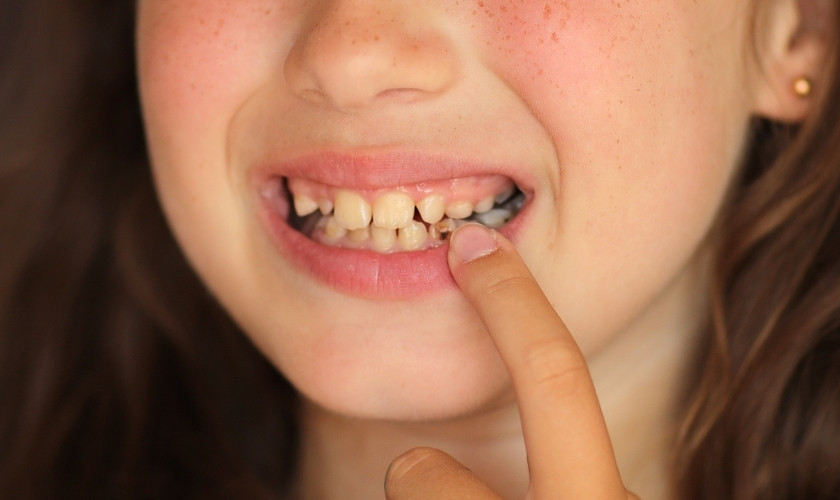
A bright, healthy smile can make a lasting impression, but chipped or discolored teeth can sometimes hold you back from showing it confidently. Fortunately, dental crowns Fort Myers treatments offer an effective, long-lasting solution for restoring both function and appearance to your teeth. Whether damage occurs from an accident, decay, or natural wear, crowns can help you reclaim your smile.
In this guide, we’ll explore how dental crowns work, why they’re effective for repairing chipped and discolored teeth, the step-by-step process, and what you can expect after treatment.
Understanding Dental Crowns
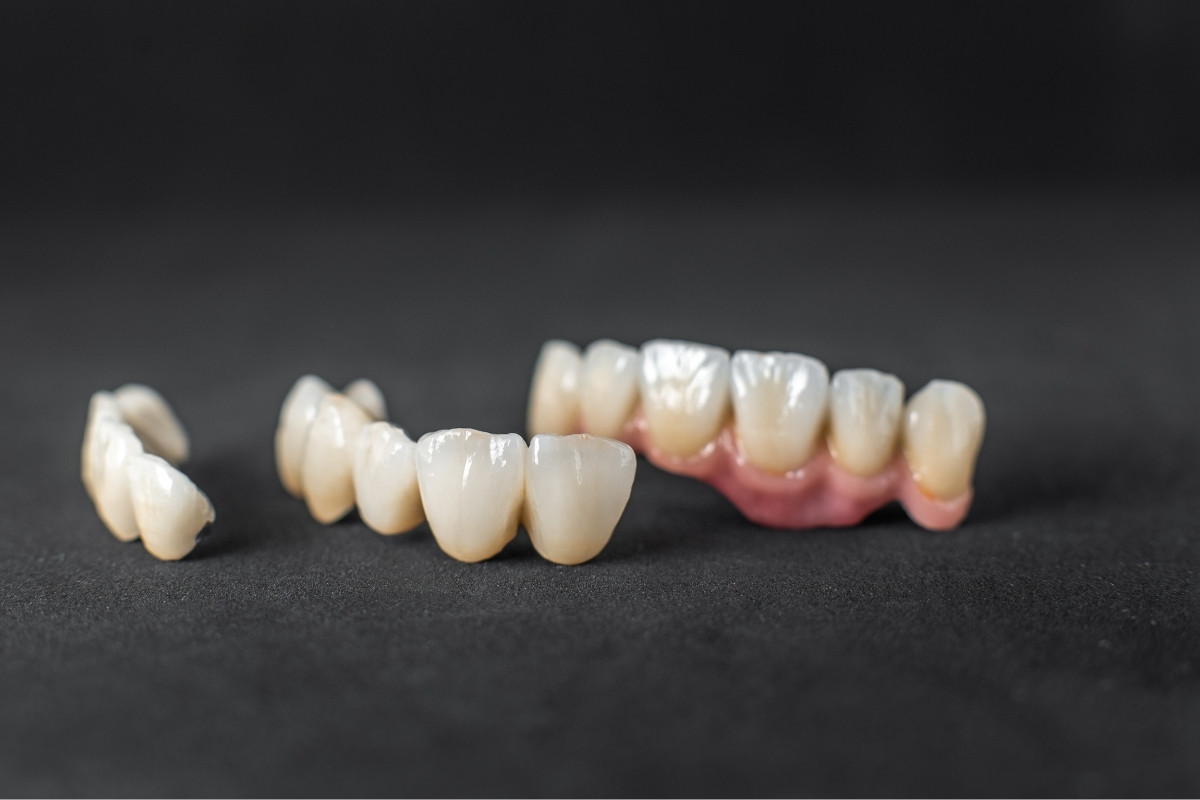
A dental crown is a custom-made cap placed over a damaged tooth to restore its shape, strength, size, and appearance. Crowns are designed to mimic the color and contour of natural teeth, making them virtually indistinguishable from the rest of your smile.
They are commonly used for:
- Protecting a weak tooth from breaking
- Restoring a broken or worn-down tooth
- Covering a severely discolored or misshapen tooth
- Supporting a tooth with a large filling
- Covering a dental implant
How Crowns Repair Chipped Teeth
A chipped tooth can range from a small cosmetic flaw to a more serious structural issue that affects chewing and speaking. While small chips might be fixable with bonding or veneers, larger chips often require the durability of a crown.
Why crowns work for chips:
- Structural reinforcement – Crowns fully encase the damaged tooth, preventing further breakage.
- Aesthetic improvement – The crown restores the original shape, size, and alignment of your tooth.
- Long-term durability – With proper care, crowns can last 10–15 years or more.
By covering the entire tooth, crowns don’t just mask the problem—they protect it from additional harm.
How Crowns Improve Discolored Teeth
Some tooth discolorations don’t respond well to whitening treatments. This can include staining caused by:
- Trauma to the tooth
- Root canal treatment
- Certain medications
- Enamel defects
In such cases, a crown can completely conceal the discoloration while also strengthening the tooth. Unlike whitening, which only changes the tooth’s surface color, crowns offer a permanent cosmetic fix by replacing the outer layer with a perfectly matched restoration.
Materials Used for Dental Crowns
Modern dental crowns can be made from a variety of materials, each offering unique benefits:
- Porcelain or ceramic – Best for natural-looking results, especially for front teeth.
- Porcelain-fused-to-metal (PFM) – Combines strength with aesthetics.
- All-metal crowns – Extremely durable, often used for molars.
- Zirconia crowns – Strong, long-lasting, and highly aesthetic.
Your dentist will help you choose the best option based on the tooth’s location, function, and your personal preferences.
The Dental Crown Procedure
Getting a dental crown usually involves two visits to your dental office Fort Myers. Here’s what to expect:
1. Initial Consultation & Examination
Your dentist examines the tooth and takes X-rays to assess the extent of the damage or discoloration. This helps determine whether a crown is the right solution.
2. Tooth Preparation
The tooth is reshaped to make room for the crown. Damaged or decayed areas are removed, ensuring a strong foundation.
3. Impressions
Your dentist takes impressions of your teeth, which are sent to a dental lab for custom crown creation. A temporary crown is placed to protect your tooth.
4. Final Placement
Once the permanent crown is ready, it’s checked for fit, color, and comfort before being securely cemented in place.
Recovery and Aftercare
Crowns require minimal recovery time. Most patients can resume normal activities right away. Here are a few tips for long-term success:
- Maintain good oral hygiene – Brush twice daily and floss to prevent decay at the crown’s base.
- Avoid chewing hard objects – Ice, pens, or fingernails can damage crowns.
- Regular dental checkups – Routine visits help your dentist monitor the crown’s condition.
- Manage teeth grinding – If you grind your teeth, a night guard may be recommended.
Benefits of Dental Crowns for Chipped or Discolored Teeth
Choosing a dental crown offers several advantages:
- Improved appearance – Natural-looking results restore your confidence.
- Better function – Chewing, speaking, and biting feel natural again.
- Durability – Crowns withstand years of normal use.
- Protection – Shields weakened teeth from further damage.
By investing in a dental crown, you’re not only enhancing your smile but also protecting your oral health.
Conclusion
Dental crowns are a versatile, reliable, and aesthetically pleasing way to fix chipped or discolored teeth. They offer both cosmetic enhancement and functional restoration, helping you smile with confidence again.
If you’ve been hiding your smile due to damage or discoloration, now is the perfect time to take action. Contact your trusted dentist and book an appointment to discuss whether dental crowns are the right solution for you.