Same Day Emergency Dentistry!


Cracked Tooth? Here’s How to Fix It the Right Way
Schedule Appointment

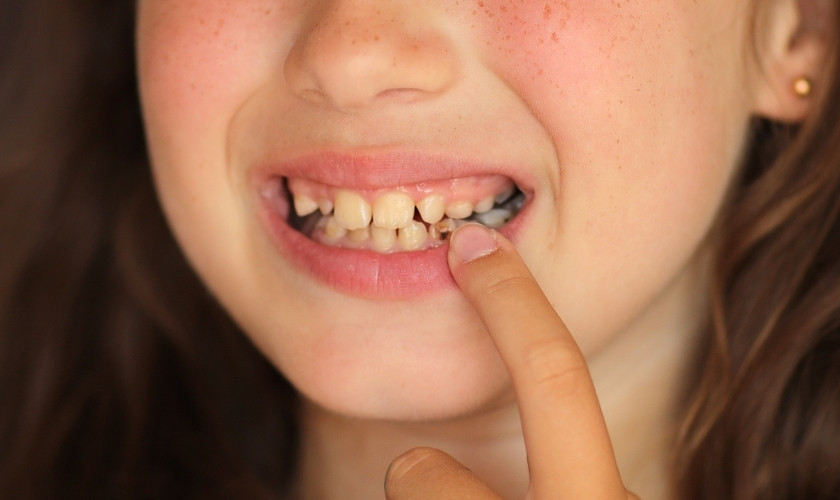
Life in Fort Myers, FL, is full of sunshine, outdoor activities, and a love for good food. From cheering at sports events to crunching on seafood and hard snacks at local festivals, residents here lead an active and food-forward lifestyle. But that same lifestyle can take a toll on your teeth. Dental injuries and tooth damage are more common in this region than many people realize, and a fractured or split tooth is one of the most frequent complaints dentists see.
Whether you bit down on something hard, took a hit during a pickup basketball game at Lakes Regional Park, or simply noticed a sharp pain when drinking something cold, a damaged tooth needs attention, and it needs it fast. Leaving a broken or fractured tooth untreated can lead to serious complications, including infection, nerve damage, and tooth loss.
There are several dental treatments available today that can restore your tooth and your smile. Depending on the severity of the damage, options such as dental crowns, veneers, root canal therapy, and tooth extraction can effectively address the problem.
At Caloosa Dental, our team, led by Dr. Gear, works with patients across Fort Myers and surrounding communities to find the right solution for every dental situation. If you’re dealing with tooth pain or a damaged tooth, you’ve come to the right place.
Why Do Teeth Crack or Break?
Understanding what causes a tooth to fracture is the first step toward prevention. Fort Myers residents face a unique mix of factors that can increase the risk:
• Chewing hard foods like ice, hard candy, popcorn kernels, and crusty bread is one of the leading causes of tooth fractures.
• Teeth grinding (bruxism) during sleep wears down enamel over time and weakens teeth significantly.
• Sports and outdoor activities, from beach volleyball to cycling, put residents at a higher risk for dental injuries.
• Temperature changes from eating or drinking hot and cold items in quick succession can cause micro-fractures.
• Aging and existing dental work, like old fillings, can weaken the structure of a tooth over time.
• Accidents and falls, especially in active outdoor settings, can cause sudden tooth damage.
Knowing your risk factors can help you take preventive steps. But once a tooth cracks, the question becomes: what do you do next?
Can You Treat a Damaged Tooth at Home?
Many people search online for home remedies when they notice a damaged tooth. Clove oil, salt water rinses, and dental wax are common suggestions you’ll find. While these steps may offer very temporary comfort, they do not fix the problem. Here’s why:
- A split or fractured tooth has structural damage that no home remedy can repair.
- Bacteria can enter through the crack and cause an infection that spreads to the root or jawbone.
- Delaying treatment often makes the damage worse and the eventual treatment more complex.
- Pain relievers and numbing gels only mask the symptom – they don’t treat the underlying issue.
Home care can buy you a few hours before seeing a dentist, but it is not a solution. A fractured tooth needs professional evaluation as soon as possible to prevent further damage.
Dental Treatments That Actually Fix a Damaged Tooth
Once you visit a dentist, the treatment plan depends on the severity of the fracture. Below are the most common and effective options:
1. Dental Veneers
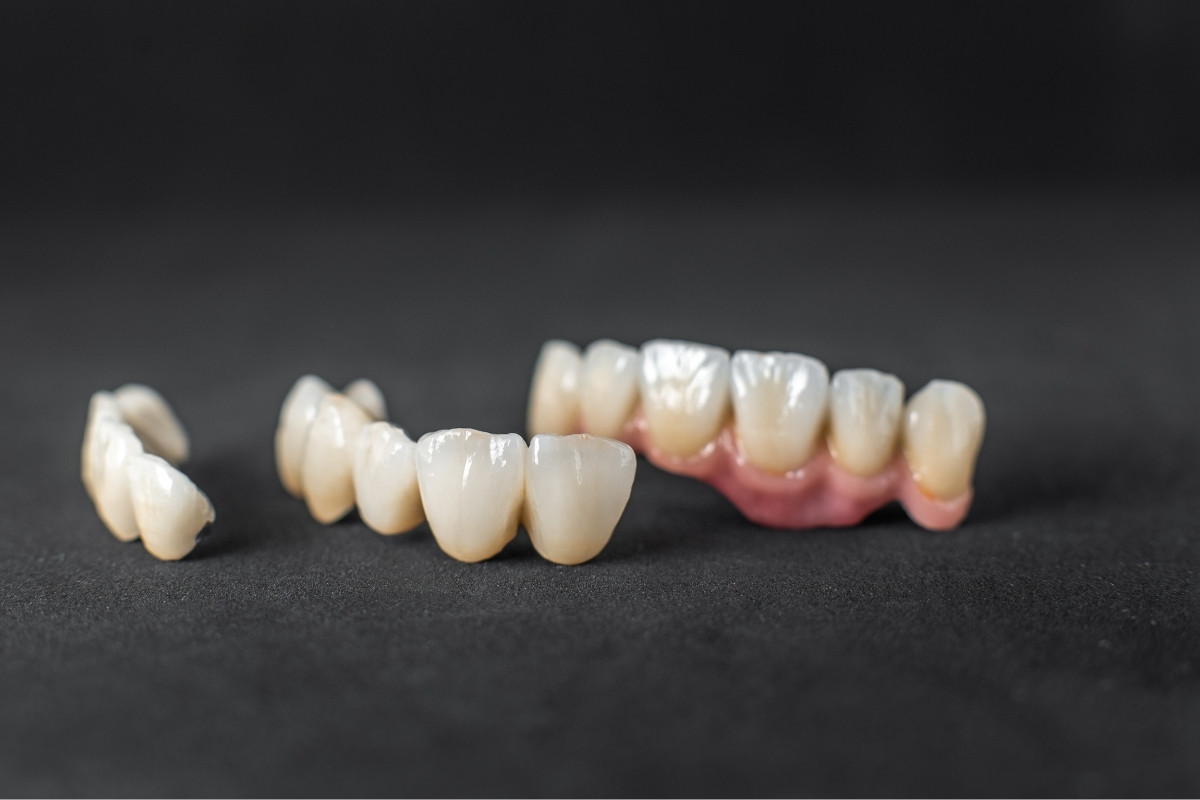
Veneers work well for surface-level cracks that affect the front teeth. These are thin shells, usually made of porcelain, that bond to the front of your tooth. They cover minor chips and fractures while improving the overall look of your smile. Veneers are a great option when the damage is cosmetic, and the underlying tooth structure remains intact.
2. Dental Crowns
A dental crown is one of the most widely used solutions for a cracked tooth that has significant structural damage. The crown fits over the entire visible portion of the tooth, holding it together and preventing the crack from spreading. Crowns are durable and can last for many years with proper care. They are often recommended when the fracture is deep but has not yet reached the root.
3. Root Canal Therapy
When a fracture reaches the inner pulp of the tooth, the soft tissue containing nerves and blood vessels, a root canal becomes necessary. During this procedure, the damaged pulp is removed, the inner canal is cleaned and sealed, and the tooth is then capped with a crown for protection. Contrary to common belief, modern root canal treatment is a straightforward procedure that relieves pain rather than causing it.
4. Tooth Extraction
In cases where the tooth is severely broken beyond repair with fractures extending deep below the gum line, extraction may be the only viable option. After removal, your dentist will discuss tooth replacement solutions such as dental implants or bridges to restore function and appearance.
Not sure which treatment is right for you? Schedule a consultation with Dr. Gear at Caloosa Dental today and get a clear diagnosis. Early treatment saves teeth – and money.
How to Know When It’s an Emergency
Some signs indicate that you need to see a dentist right away:
- Sharp pain when biting or chewing
- Sensitivity to hot, cold, or sweet foods and drinks
- Swelling around the tooth or gum line
- A visible line or chip on the tooth
- Constant throbbing pain that doesn’t go away
If you experience any of these symptoms, do not wait. The longer you delay, the more complex and involved the treatment becomes. Visit our dental office in Fort Myers, and our team will walk you through a clear, straightforward treatment plan tailored to your specific situation.
Ready to Fix Your Tooth? Book an Appointment at Caloosa Dental
You don’t have to live with tooth pain, sensitivity, or anxiety about a damaged tooth. Whether your tooth cracked during a game, a meal, or just out of nowhere, the right help is available right here in Fort Myers.
At Caloosa Dental, Dr. Gear and the team take the time to understand your situation, clearly explain your options, and help you move forward with confidence. From veneers to crowns to root canals, every treatment option is explained in plain language so you can make an informed decision.
Call us today at (239) 482-7076 to book an appointment. We serve patients in Fort Myers, Cape Coral, Estero, Bonita Springs, and surrounding areas. Your smile deserves the care it needs – let’s take that first step together.
Frequently Asked Questions
1. How do I know if my tooth is cracked or just sensitive?
Sensitivity alone doesn’t always mean a fracture, but if you feel sharp pain when biting, or notice that the discomfort lingers after eating or drinking something hot or cold, a crack is very likely. A dental exam with X-rays will give you a definitive answer and point you toward the right treatment.
2. Is it possible to save a severely broken tooth?
In many cases, yes. Depending on how deep the damage goes, treatments like root canal therapy followed by a crown can save the tooth. However, if the fracture extends below the gum line or into the root, extraction may be necessary. The only way to know for sure is to have a dentist evaluate the tooth promptly.
3. Does getting a dental crown hurt?
The procedure is done under local anesthesia, so you won’t feel pain during the treatment. Some mild soreness or sensitivity afterward is normal and typically resolves within a few days. Most patients are surprised at how comfortable the process actually is.
4. How long does a dental crown last?
With good oral hygiene and regular dental checkups, a crown can last 10 to 15 years or longer. Avoiding habits like chewing ice or grinding your teeth helps extend its lifespan significantly. Your dentist can give you personalized guidance on how to care for your restoration.
5. Can veneers fix a broken tooth?
Veneers are best suited for minor surface-level damage on front teeth. They work well for chips or small cracks that haven’t affected the inner structure of the tooth. If the damage is more extensive, a crown or other treatment will likely be recommended instead.
6. What should I do if my tooth breaks after hours?
If you break a tooth outside of regular office hours, rinse your mouth gently with warm water and apply a cold compress to reduce swelling. Avoid chewing on that side and call the dental office first thing the next morning to schedule an urgent visit. The sooner you get it looked at, the more options remain available.
7. Will my insurance cover treatment for a broken tooth?
Coverage varies depending on your insurance plan and the type of treatment needed. Many plans cover a portion of procedures like crowns or root canals. It’s always a good idea to verify your benefits before your appointment, and the dental office team can help you understand your coverage and payment options.