Same Day Emergency Dentistry!


Root Canal Therapy for Sensitive Teeth in Fort Myers: Is It the Right Solution?
Schedule Appointment

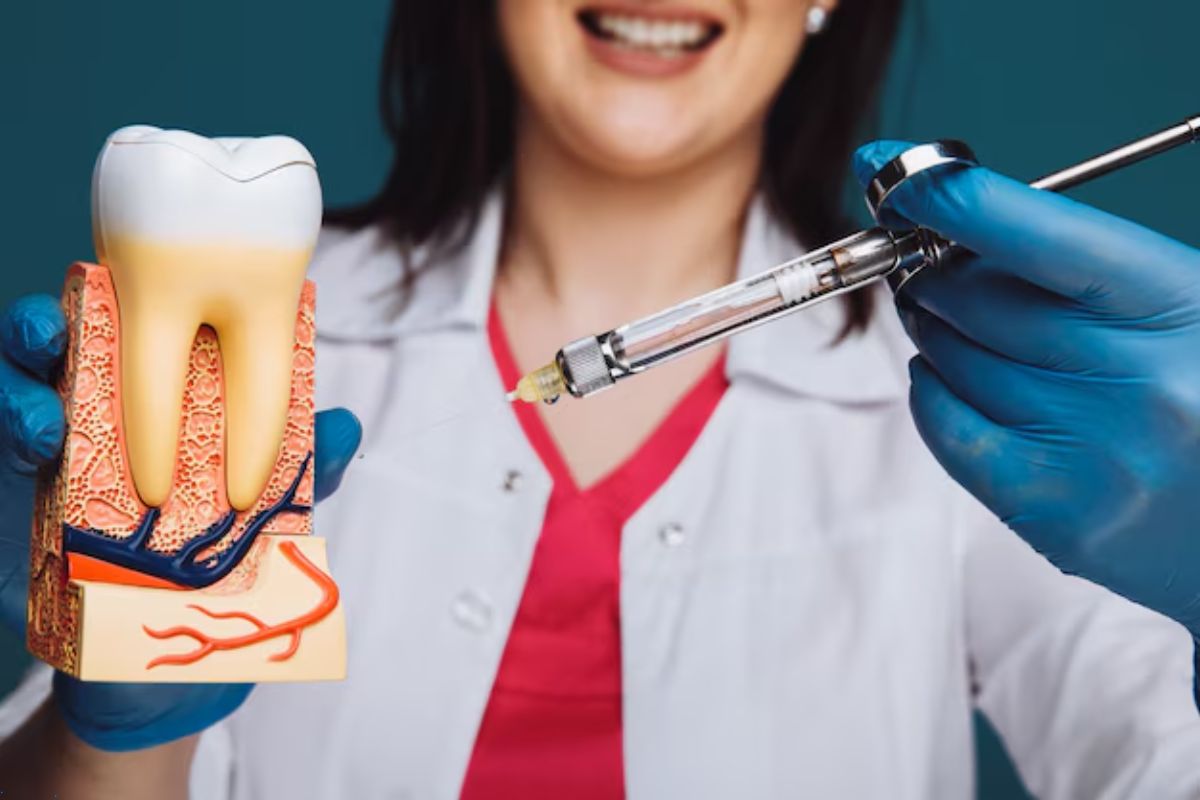
Sensitive teeth can cause a great deal of discomfort and even prevent you from enjoying your favorite foods and drinks. If you’ve been experiencing severe tooth pain, particularly when eating hot or cold foods, you may be wondering if root canal therapy in Fort Myers is the right solution for your sensitive teeth. Let’s dive into what root canal therapy is, how it works, and how it can help alleviate your discomfort.
What Is Root Canal Therapy?
Root canal therapy, often referred to as a root canal, is a dental procedure aimed at treating the inside of a tooth when it becomes infected or inflamed. The tooth’s pulp—the soft tissue inside the tooth that contains nerves and blood vessels—can become damaged due to decay, deep cavities, cracks, or injury. When the pulp is infected, it can cause intense pain and discomfort, making it difficult to eat, speak, or even brush your teeth.
During a root canal procedure, our dentist will remove the infected pulp, clean out the inner chamber of the tooth, and then seal it to prevent further infection. In many cases, the tooth can be saved with a root canal, restoring its function and allowing you to avoid extraction.
When Is Root Canal Therapy Necessary for Sensitive Teeth?
Sensitive teeth are often a sign of an underlying issue, such as tooth decay or gum disease. However, if the sensitivity is accompanied by severe, throbbing pain, especially when eating or drinking hot or cold substances, it may be an indication that the pulp inside the tooth is damaged or infected. Root canal therapy may be necessary if the tooth has suffered deep decay, trauma, or infection that cannot be repaired with fillings or other less invasive treatments.
If you experience persistent tooth pain that doesn’t go away with over-the-counter pain relievers or if the tooth becomes discolored or swollen, it’s crucial to see a dentist as soon as possible. Delaying treatment could lead to further complications, including the need for a tooth extraction.
Benefits of Root Canal Therapy for Sensitive Teeth
- Pain Relief: One of the primary benefits of root canal therapy is the relief it provides from tooth pain. By removing the infected pulp, the source of the pain is eliminated, allowing you to feel more comfortable and resume your normal activities.
- Prevents Tooth Extraction: Root canal therapy can save a tooth that might otherwise need to be extracted due to severe infection or damage. By preserving the natural tooth, you maintain the integrity of your bite and avoid the need for artificial replacements like dental implants or bridges.
- Restores Functionality: After the procedure, the treated tooth is restored to its full functionality, allowing you to eat, chew, and speak without discomfort. This can significantly improve your quality of life.
- Long-Term Solution: Root canal therapy is a long-lasting solution for sensitive teeth caused by infection. With proper care, the tooth can remain healthy for many years, helping you avoid further dental procedures.
Is Root Canal Therapy Right for Your Sensitive Teeth?
While root canal therapy is a highly effective solution for many patients with sensitive teeth, it’s important to understand that not all cases of tooth sensitivity require this treatment. Sensitivity can also be caused by gum recession, tooth grinding, or a cracked tooth. In some instances, the sensitivity can be addressed with other dental treatments, such as fluoride treatments or a custom mouthguard.
Our experts will perform a thorough examination to determine the cause of your sensitivity and recommend the most appropriate treatment. If a root canal is necessary, they will explain the process in detail, including any potential risks and aftercare instructions, so you can feel confident moving forward with the procedure.
What to Expect During a Root Canal Procedure?
If your dentist determines that root canal therapy is the right solution for your sensitive teeth, you can expect the following steps:
- Examination and X-Rays: Your dentist will begin by examining the affected tooth and taking X-rays to assess the extent of the infection or damage. This helps them determine if a root canal is necessary.
- Anesthesia: To ensure you are comfortable during the procedure, your dentist will administer a local anesthetic to numb the area around the tooth. In most cases, the procedure itself is not painful.
- Tooth Preparation: The dentist will create a small opening in the top of the tooth to access the pulp chamber. They will then remove the infected pulp and clean the chamber to remove bacteria and debris.
- Sealing the Tooth: After the pulp has been removed and the tooth is cleaned, your dentist will seal the tooth with a biocompatible material to prevent future infection.
- Restoration: In many cases, the treated tooth will require a dental crown to restore its shape and function. The crown will be custom-made to fit your tooth and provide additional protection against damage.
Aftercare for Root Canal Therapy
Following a root canal procedure, it’s important to follow your dentist’s aftercare instructions to ensure proper healing. You may experience some mild discomfort or sensitivity in the days following the procedure, but this is usually temporary and can be managed with over-the-counter pain relievers.
To care for your treated tooth, avoid chewing on hard foods for a few days and maintain a good oral hygiene routine by brushing and flossing gently around the treated area. It’s also important to attend any follow-up appointments with your dentist to ensure the tooth is healing properly.
Why Choose a Dentist in Fort Myers for Your Root Canal Therapy?
If you’re considering root canal therapy for your sensitive teeth, choosing an experienced dentist in Fort Myers is crucial for the success of the procedure. An experienced Fort Myers dentist will have the skills and expertise to perform the root canal efficiently and effectively, ensuring a positive outcome and a quick recovery.
We understand the importance of treating sensitive teeth and will work with you to determine the best solution for your specific needs. Our team is committed to providing top-quality care in a comfortable, friendly environment, and we take the time to explain each step of the process so you can feel confident and at ease.
Learn More About Root Canal Therapy and Other Treatments
The American Dental Association (ADA) provides valuable resources on oral health, including information about root canal therapy and other dental procedures. For more information on maintaining your dental health.
Schedule Appointment
If you’re struggling with tooth sensitivity or experiencing pain that may require root canal therapy, don’t wait. Schedule an appointment with our team of experts today to discuss your symptoms and explore the best treatment options for your sensitive teeth in Fort Myers. Your smile is our priority, and we’re here to help you achieve optimal dental health.
Frequently Asked Question
1. How do I know if sensitive teeth require root canal therapy?
Persistent sensitivity to hot or cold, lingering tooth pain, swelling, or discomfort while chewing may indicate nerve damage or infection that could require root canal therapy rather than simple desensitizing treatments.
2. Is root canal therapy painful for sensitive teeth?
Modern root canal procedures are performed with local anesthesia and advanced techniques, making the treatment comfortable. Most patients in Fort Myers report relief from pain soon after the procedure.
3. Can tooth sensitivity be treated without a root canal?
Yes, mild sensitivity caused by enamel wear, gum recession, or cavities may be treated with fluoride treatments, bonding, or desensitizing toothpaste. A dentist will determine if deeper infection makes a root canal necessary.
4. How long does recovery take after a root canal?
Most patients return to normal activities within a day. Mild soreness may last a few days, but proper care and any prescribed medication help ensure smooth healing.
5. Will I need a crown after root canal therapy?
In many cases, especially for back teeth, a dental crown is recommended to protect the treated tooth, restore strength, and prevent future fractures.
6. Where can I get root canal therapy for sensitive teeth?
A qualified Fort Myers dental provider can evaluate your symptoms, take digital X-rays, and recommend whether root canal therapy or another treatment is the best solution for long-term relief and oral health.