Same Day Emergency Dentistry!


Throbbing Toothache Keeping You Up? Signs You Might Need a Root Canal
Schedule Appointment


A throbbing toothache can make a quiet night feel very long. The pain may pulse with your heartbeat, worsen when you lie down, or wake you just as you start to fall asleep. While an occasional brief sensitivity does not always signal a serious problem, persistent or intense tooth pain deserves attention. It can indicate that decay, injury, or infection has reached the soft tissue inside your tooth.
From a dental perspective, the key question isn’t simply how much the tooth hurts. We also look at how long the pain lasts, what triggers it, whether the tooth hurts when you bite, and whether swelling or other symptoms are present. These details help us determine what is happening beneath the surface.
At Caloosa Dental in Fort Myers, Dr. Brian Gear and our dental team carefully evaluate painful teeth to identify the source of the problem and whether the natural tooth can be preserved. If a throbbing toothache is disrupting your sleep or daily routine, visit our Fort Myers dental office for an evaluation instead of waiting for the symptoms to worsen.
Why Does a Toothache Throb?
A throbbing sensation often develops when the tissues inside or around a tooth become inflamed. Inside every tooth is a space containing dental pulp, which includes nerves, blood vessels, and connective tissue.
Normally, enamel and dentin protect this sensitive tissue. However, bacteria can reach the pulp when a cavity becomes deep, a tooth cracks, or an injury damages the tooth. Once the pulp becomes severely inflamed or infected, pressure and irritation can produce persistent pain.
Patients sometimes describe this pain as:
- Pulsing or pounding
- Deep pain inside the tooth
- Pain that seems to follow their heartbeat
- Pain that spreads toward the jaw, ear, or surrounding teeth
- Discomfort that becomes difficult to ignore at night
The intensity of pain alone cannot tell us exactly what treatment you need. A dental examination and diagnostic imaging are important because several dental problems can cause similar symptoms.
Why Does Tooth Pain Sometimes Feel Worse at Night?
Patients frequently tell us their tooth felt manageable during the day but became much more noticeable once they went to bed.
One reason may be that lying flat can make pressure and pulsing sensations around an inflamed tooth more noticeable. There are also fewer distractions at night. During the day, work, conversations, errands, and other activities compete for your attention. In a quiet bedroom, tooth pain can become much harder to ignore.
Nighttime pain that repeatedly wakes you up should not simply be managed with pain relievers for days. Medication may temporarily reduce discomfort, but it does not correct deep decay, infected pulp, or another underlying dental problem.
7 Signs Your Toothache May Need More Than a Filling
Not every toothache means you need a root canal. However, certain symptoms raise concern that inflammation or infection may have reached the pulp.
1. Persistent, Throbbing Tooth Pain
Pain that continues without an obvious trigger is one of the symptoms we take seriously. It may come in waves or remain present for extended periods.
If a tooth keeps throbbing while you are resting, working, or sleeping, the pulp may be significantly inflamed. Persistent pain is different from a quick moment of sensitivity after drinking something cold.
2. Hot or Cold Sensitivity That Lingers
A sensitive tooth may briefly react to ice water, coffee, or certain foods. The more concerning pattern is pain that continues after the hot or cold stimulus has been removed.
For example, if you drink cold water and the tooth continues aching afterward, tell your dentist how long the discomfort lasts. Lingering temperature sensitivity can provide valuable information about the condition of the pulp.
3. Pain When You Bite or Chew
Does one tooth hurt every time you bite into food? Pain with pressure can occur for several reasons, including decay, a cracked tooth, a loose restoration, or damage to the pulp.
Because these conditions require different approaches, avoid trying to diagnose the problem yourself. We need to examine the tooth, evaluate your bite, and potentially take dental images to identify the cause.
4. A Cracked, Chipped, or Injured Tooth
A visible crack or chip is not merely a cosmetic concern. Damage can create a pathway through which bacteria reach the inner tissues of a tooth.
Even an injury from months or years ago can sometimes affect the pulp. A tooth that was struck during sports, a fall, or another accident should be evaluated if it later becomes painful, sensitive, or discolored.
5. Swollen or Tender Gums Near One Tooth
Swelling around a painful tooth may indicate infection in or around the root. You might notice a tender area, localized swelling, or a small bump resembling a pimple on the gum.
Never intentionally pop or drain a gum bump yourself. Even if fluid drains and the pressure temporarily decreases, the source of the infection can remain inside or around the tooth.
6. Tooth Discoloration Along With Other Symptoms
A tooth that becomes noticeably darker than neighboring teeth can sometimes indicate changes within the pulp, particularly following trauma.
Discoloration by itself does not confirm that endodontic care is necessary. However, when a darkened tooth is accompanied by pain, tenderness, swelling, or a history of injury, a dental examination is important.
7. Facial Swelling, Fever, or a Bad Taste
A dental infection can sometimes progress beyond localized tooth pain. An abscess may cause swelling, a foul taste or odor, fever, or tenderness around the affected area.
These symptoms should not be ignored. Facial or neck swelling accompanied by difficulty breathing or swallowing requires urgent medical attention.
Does a Throbbing Toothache Always Mean You Need a Root Canal?
No. Throbbing pain is a warning sign, not a diagnosis.
Cavities, cracked teeth, gum problems, damaged restorations, grinding, and other conditions can produce tooth pain. Some problems may be treated without endodontic care if they are identified early enough.
This is why we focus on diagnosis before recommending treatment. We may examine the tooth and surrounding gums, assess temperature and pressure sensitivity, check your bite, and use dental imaging to understand what is happening beneath the visible portion of the tooth.
If the pulp is irreversibly inflamed or infected but the tooth can still be saved, we may recommend root canal therapy.
What Happens When the Dental Pulp Becomes Infected?
Once bacteria reach the pulp, inflammation can progress within the enclosed center of the tooth. Without appropriate dental care, the pulp can die, and infection may extend through the root into nearby tissues.
An abscess can then develop near the root tip. Importantly, pain can sometimes decrease if the nerve tissue dies. That does not necessarily mean the problem has resolved.
A tooth that suddenly stops hurting after days of severe pain still deserves evaluation, particularly if you notice swelling, gum changes, pressure, or an unpleasant taste.
How We Evaluate a Painful Tooth in Fort Myers
When you visit our Fort Myers dental office with severe tooth pain, our first priority is identifying its source.
We will ask questions such as:
- When did the pain begin?
- Is the pain constant or intermittent?
- Does heat or cold trigger it?
- How long does sensitivity last?
- Does biting make the pain worse?
- Have you recently injured the tooth?
- Have you noticed swelling or drainage?
We then examine the tooth and surrounding tissues. Diagnostic imaging lets us assess structures we can’t see during a visual exam alone.
At Caloosa Dental, we may use 3D cone-beam imaging when appropriate to provide a detailed view of the tooth and surrounding structures. These findings help us determine whether the pulp is involved and which approach is most appropriate.
What Happens During Root Canal Treatment?
When the pulp cannot recover, the goal of root canal treatment is to remove diseased tissue, clean the internal canal system, and preserve the natural tooth whenever possible.
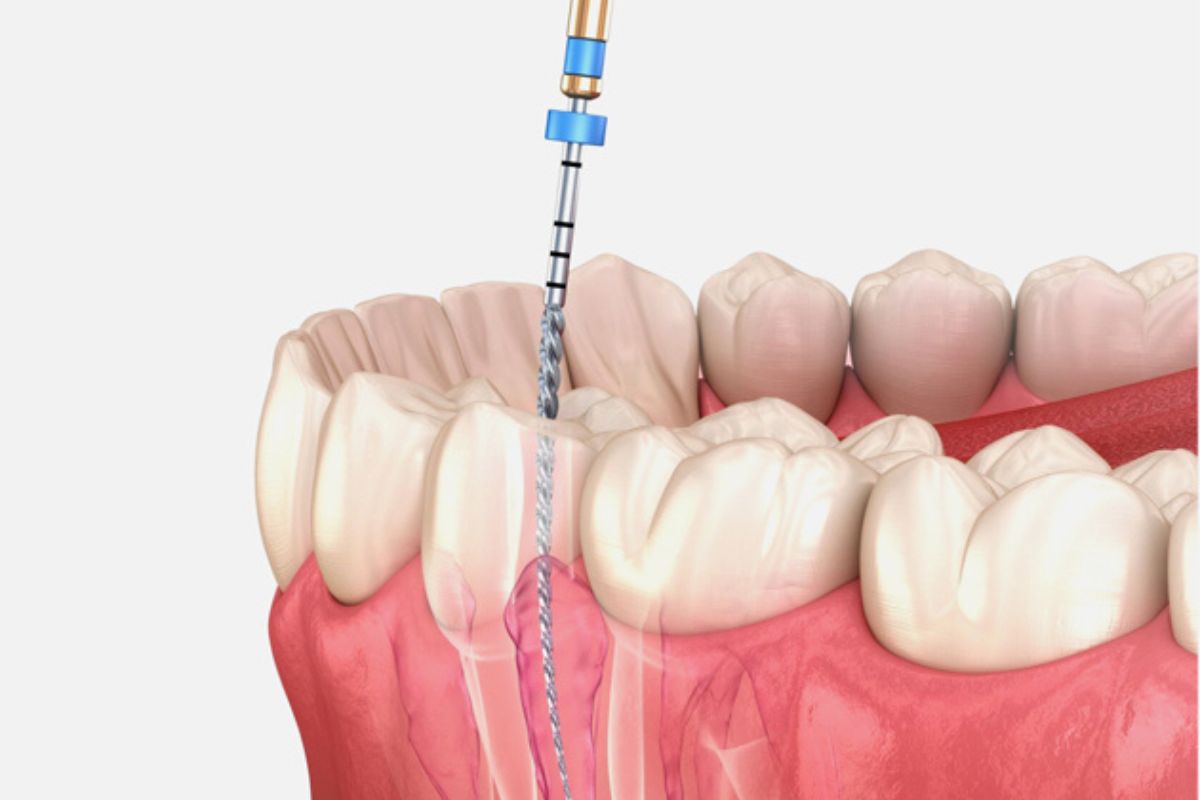
After numbing the area, the dentist creates an opening to reach the pulp chamber. The dentist removes the inflamed or infected tissue and carefully cleans, shapes, and disinfects the canals inside the roots. They are then filled and sealed.
Depending on the tooth and the amount of remaining structure, a dental crown or another restoration may be recommended afterward to protect the tooth and restore function.
Modern techniques and local anesthesia make the procedure much more manageable than its outdated reputation suggests. In many cases, the severe toothache that brought a patient into the office is more uncomfortable than the procedure used to address its source.
What Should You Do While Waiting for Your Dental Appointment?
If you cannot be seen immediately, a few temporary measures may make you more comfortable:
- Keep the area clean with gentle brushing and flossing.
- Avoid chewing on the painful side.
- Avoid extremely hot, cold, or sugary foods if they trigger pain.
- Use over-the-counter pain medication only as directed on its label and when medically appropriate for you.
- Do not place aspirin directly against your tooth or gums.
- Contact a dental office promptly if pain increases or swelling develops.
These steps are temporary. They do not eliminate an infection inside a tooth.
Why Prompt Dental Care Matters
Waiting for severe tooth pain to disappear on its own can allow an underlying problem to progress. Deep decay may advance, cracks can expose the pulp, and infection may spread into tissues surrounding the root.
Earlier evaluation gives us more information and may improve the chances of preserving your natural tooth.
For patients in Fort Myers, this is particularly important when pain begins affecting sleep, eating, work, or everyday activities. You don’t need to wait until a toothache becomes unbearable to schedule an examination.
When Is a Toothache a Dental Emergency?
Seek prompt dental attention when pain is severe, persistent, or accompanied by swelling. Contact a dentist as soon as possible if you notice fever, drainage, a bad taste, or increasing facial swelling.
If swelling spreads into your face or neck and you develop difficulty breathing or swallowing, seek emergency medical care immediately.
Protect Your Natural Tooth With Timely Dental Care in Fort Myers
A throbbing toothache that repeatedly keeps you awake is your body’s way of telling you something needs attention. The cause could be decay, a crack, inflammation, infection, or another dental condition, and the only reliable way to know is through a professional evaluation.
When the pulp has been seriously damaged, but the tooth remains restorable, root canal therapy can remove the source of infection while allowing you to retain your natural tooth. Timely care may also help prevent an abscess, worsening discomfort, and further damage.
If you are experiencing persistent tooth pain, lingering temperature sensitivity, pain while chewing, or swelling around a tooth, contact Caloosa Dental. Our team can evaluate the problem and determine whether root canal treatment or another form of dental care is appropriate for your situation. Book an appointment today!
Frequently Asked Questions
1. How do I know if my toothache requires a root canal?
Persistent throbbing pain, lingering hot or cold sensitivity, pain while biting, swelling, or a gum bump may indicate pulp damage. Only a dental examination and appropriate imaging can determine whether endodontic care is actually necessary.
2. Can a tooth that needs a root canal stop hurting?
Yes. Pain can decrease if damaged nerve tissue inside the tooth dies, but infection may remain and spread. A sudden reduction in pain should not replace a dental evaluation, particularly when swelling or drainage occurs.
3. Why does my tooth hurt more when I lie down?
Tooth pain can feel more noticeable when lying down, especially when tissues around the tooth are inflamed. Reduced nighttime distractions can also increase pain awareness. Persistent nighttime pain warrants an examination to identify its underlying cause.
4. Can antibiotics cure an infected tooth without a root canal?
Antibiotics may be prescribed in certain cases when infection has spread, but medication alone generally does not remove infected tissue from inside a tooth. Your dentist must determine which procedure addresses the actual source of infection.
5. Is a root canal painful with modern dental care?
Local anesthesia is used to numb the treatment area, so patients generally should not feel significant procedural pain. Some tenderness afterward is possible, but it is typically temporary and can often be managed with appropriate aftercare.
6. What happens if I ignore a throbbing toothache?
Ignoring persistent pain may allow decay, inflammation, or infection to progress. An untreated dental infection can form an abscess, damage surrounding tissues, and potentially lead to tooth loss or more serious complications requiring urgent medical attention.
7. Can a dentist save a severely painful or infected tooth?
Often, yes, as long as enough healthy tooth structure remains and the tooth has an acceptable prognosis. Your dentist will examine the tooth, roots, surrounding bone, and extent of damage before determining whether preserving it is appropriate.