Same Day Emergency Dentistry!


Dental Implant Process: Step-by-Step Guide
Schedule Appointment


Dental implants are one of the most reliable and long-lasting solutions for replacing missing teeth. Whether you’ve lost a tooth due to decay, trauma, or gum disease, dental implants offer a permanent fix that closely mimics the appearance and function of natural teeth.
What Is the Procedure for Getting a Dental Implant?
The dental implant process typically involves multiple steps over several months to ensure the best results. Here’s how it works:
1. Initial Consultation
The first step is a consultation with a dental implant specialist. This includes a comprehensive oral examination, X-rays, and possibly a CT scan. The dentist will evaluate your jawbone density, gum health, and medical history to determine if you’re a good candidate.
2. Tooth Extraction (if needed)
If the damaged tooth is still in place, it will need to be removed. In some cases, the implant can be placed on the same day as the extraction.
3. Bone Grafting (if necessary)
If the jawbone lacks the required density, a bone graft may be performed. This additional procedure helps create a solid foundation for the implant, but can add several weeks or months to the overall timeline.
4. Implant Placement
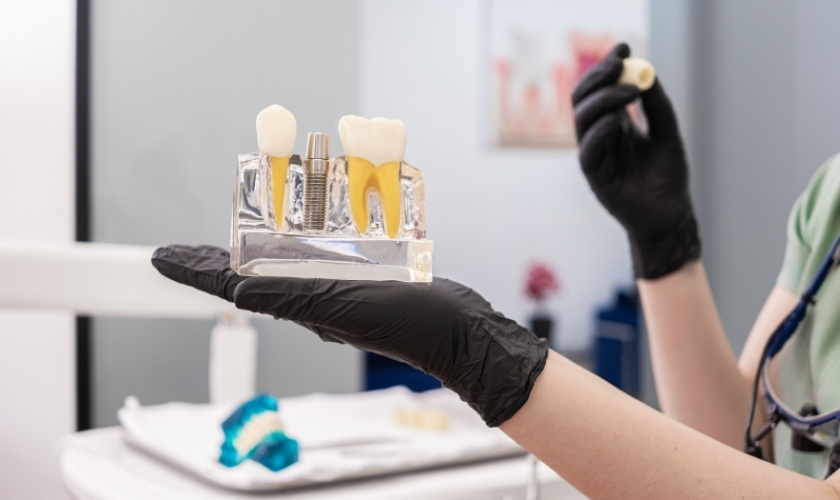
Once your jawbone is ready, the titanium implant post is surgically inserted into the bone. This post acts as an artificial root for the new tooth. The procedure is typically performed under local anesthesia, and sedation options may be available.
5. Osseointegration
This stage involves waiting for the implant to fuse with the bone – a process called osseointegration. This typically takes 3 to 6 months.
6. Abutment Placement
After successful osseointegration, a small connector called an abutment is attached to the implant. This will eventually support the crown.
7. Crown Placement
Finally, a custom-made crown is placed on the abutment. It is designed to match the color and shape of your natural teeth, completing your smile restoration.
How Painful Is Getting a Dental Implant?
Many patients worry about pain, but the dental implant procedure is generally less painful than expected. The surgery itself is performed under local anesthesia, and patients often report feeling pressure rather than pain during the process.
After surgery, mild discomfort, swelling, and bruising are common, especially in the first 48 hours. Over-the-counter pain relievers and antibiotics are usually prescribed to manage symptoms. Most patients return to work or normal activities within a day or two, though healing continues internally for months.
Compared to the long-term benefits, the temporary discomfort is manageable and worthwhile.
What Are the Steps in Getting a Dental Implant?
To recap, the steps involved in getting a dental implant are:
- Consultation & Imaging
- Tooth Extraction (if necessary)
- Bone Grafting (if needed)
- Implant Placement
- Osseointegration
- Abutment Placement
- Crown Placement
Each of these steps is carefully timed to allow healing and integration, resulting in a durable and natural-looking tooth replacement.
How Long Does It Take to Get Used to Dental Implants?
Adjusting to dental implants is typically smooth for most patients. After the crown is placed, you may experience a short adjustment period as your mouth adapts to the new structure.
The First Few Days
There may be minor speech differences or mild chewing discomfort initially, but these usually resolve within a week.
One to Two Weeks
You’ll likely feel more comfortable eating and speaking. Any tenderness should subside, and your bite will start to feel normal.
One Month and Beyond
By this point, most patients forget they even have an implant. The implant feels like a natural tooth, and normal oral hygiene routines can be resumed.
The adjustment period is minimal compared to the decades of comfort and function that a successful implant can provide.
Stages of Dental Implant Healing
Healing after dental implant surgery is a gradual process and occurs in stages:
1. Immediate Healing (First Week)
Swelling, bleeding, and minor discomfort are common. Follow post-operative instructions carefully to avoid complications.
2. Osseointegration (3–6 Months)
During this stage, the implant integrates with the bone. This is crucial for long-term success. Avoid putting pressure on the implant during this phase.
3. Gum Healing
Gums continue to adapt and heal around the abutment and crown. Maintaining excellent oral hygiene helps prevent infection and promotes soft tissue recovery.
4. Final Recovery
Once the crown is placed, complete healing continues as your mouth adjusts. You should continue with regular check-ups to ensure the implant remains healthy.
What Is the Success Rate of Dental Implant Procedures?
Dental implants have one of the highest success rates in modern dentistry – between 95% and 98% when placed by a skilled professional and maintained with proper care.
Several factors influence the success rate:
- Oral hygiene: Brushing, flossing, and regular dental visits are essential.
- Lifestyle habits: Smoking and poor nutrition can negatively impact healing and integration.
- Health conditions: Diabetes, osteoporosis, and immune disorders may slightly reduce the success rate, though many patients with these conditions still have excellent outcomes.
When properly maintained, dental implants can last 15–25 years or even a lifetime, making them a cost-effective and durable solution.
Frequently Asked Questions
- What is the dental implant process?
The dental implant process is a multi-step procedure used to replace missing teeth. It usually includes consultation, implant placement, healing time, abutment placement, and crown attachment to restore function and appearance.
- How long does the dental implant process take?
The dental implant process can take several months. After implant placement, the bone needs time to heal and fuse with the implant, which may take 3 to 6 months before the final crown is placed.
- Is the dental implant procedure painful?
Most patients feel little to no pain during the dental implant procedure because local anesthesia is used. Some mild discomfort or swelling may occur after surgery, but it usually goes away within a few days.
- Who is a good candidate for dental implants?
A good candidate for dental implants should have healthy gums, enough jawbone to support the implant, and good overall health. A dental exam and X-rays help the dentist decide if implants are right for you.
- What is the healing time after dental implant surgery?
Healing time after implant surgery varies but usually takes a few months. During this time, the implant fuses with the jawbone in a process called osseointegration, which helps make the implant strong and stable.
- How long do dental implants last?
Dental implants can last many years and often a lifetime with proper care. Good oral hygiene, regular dental visits, and avoiding smoking can help keep implants strong and healthy.
- What are the steps involved in getting dental implants?
The main steps include consultation, tooth removal if needed, implant placement, healing period, abutment placement, and crown fitting. Each step is important to ensure the implant looks natural and works properly.