Same Day Emergency Dentistry!


How to Prevent Common Dental Emergencies: Tips from Fort Myers Experts
Schedule Appointment

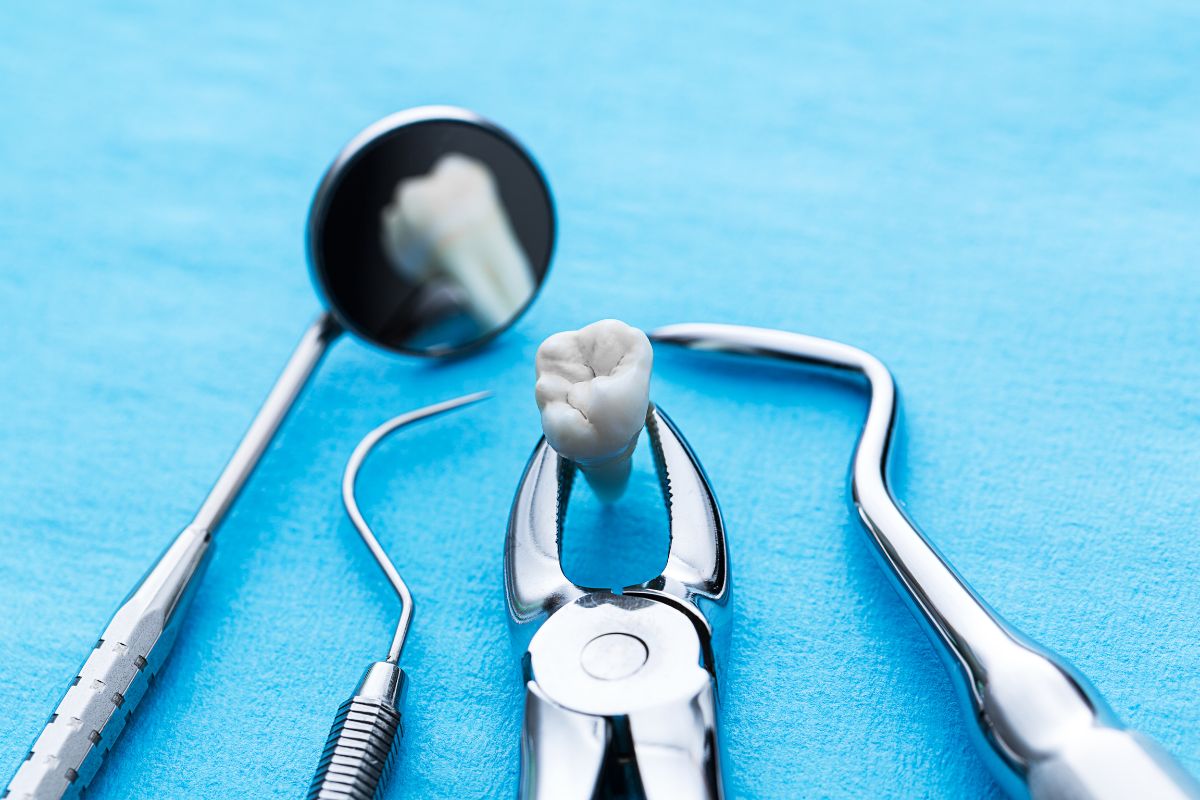
Dental emergencies can strike at the most unexpected times – whether it’s a chipped tooth during dinner, a sudden toothache at work, or a broken crown before a big event. The good news? Many of these situations can be avoided with proactive care and a few simple habits. In this blog, we’ll explore practical ways to prevent common dental emergencies and keep your oral health in top shape.
Understanding Common Dental Emergencies
Before we dive into prevention, it’s important to know which dental issues are classified as emergencies. Some of the most common include:
- Severe toothaches
- Broken, cracked, or chipped teeth
- Knocked-out teeth
- Lost or damaged fillings and crowns
- Gum infections or abscesses
- Injuries to the soft tissues of the mouth (tongue, cheeks, lips)
These issues can be painful, inconvenient, and expensive to treat. Preventing them saves you both discomfort and money.
1. Maintain a Consistent Oral Hygiene Routine
One of the most effective ways to prevent dental emergencies is to stick to a solid oral care regimen:
- Brush your teeth at least twice a day using fluoride toothpaste.
- Floss daily to remove food particles and plaque from between teeth.
- Use an antibacterial mouthwash to reduce harmful bacteria in your mouth.
These habits help prevent tooth decay and gum disease, two major contributors to dental emergencies like abscesses and toothaches.
2. Visit Your Dentist Regularly
Routine dental checkups are your first line of defense against oral health problems. A Fort Myers local dentist can identify potential issues before they turn into full-blown emergencies. These visits often include professional cleanings, X-rays, and thorough exams that can detect early signs of decay, infection, or damaged restorations.
It’s recommended to visit a dental office in Fort Myers at least twice a year or more frequently if advised by your dentist.
3. Wear Protective Gear for Sports and Physical Activities
If you or your child participates in contact sports or activities like skateboarding or biking, wearing a mouthguard is crucial. Mouthguards protect your teeth from trauma and reduce the risk of chipped, cracked, or knocked-out teeth during impact.
Ask your dentist about custom-fit mouthguards for better comfort and protection compared to over-the-counter options.
4. Avoid Using Teeth as Tools
Never use your teeth to open packages, cut tape, or pop bottle caps. Teeth are meant for chewing food – nothing else. Using them as tools puts you at risk of cracking or breaking a tooth, which may require emergency dental treatment.
5. Be Mindful of What You Eat
Hard foods like ice, nuts, and hard candies can easily damage your teeth or restorations. Similarly, sticky or chewy candies may loosen fillings or crowns. Try to avoid these items or consume them with caution.
Also, limit acidic foods and sugary drinks, as they erode enamel and increase the risk of cavities, which can eventually lead to painful infections or tooth loss.
6. Address Minor Issues Before They Worsen
Don’t ignore small problems like tooth sensitivity, mild discomfort, or a chipped tooth. These seemingly minor issues can escalate quickly if left untreated. Contact your dentist promptly if you notice anything unusual.
7. Keep Emergency Supplies Handy
Even with the best prevention efforts, accidents can still happen. It’s a good idea to have a basic dental emergency kit at home that includes:
- Gauze
- A small container with a lid (for a knocked-out tooth)
- Dental wax (for broken braces)
- Over-the-counter pain relievers
Having these on hand can help you manage pain and prevent further damage until you can see a dentist.
Prevention is the Best Medicine
While you can’t always avoid accidents, many dental emergencies are preventable through good oral hygiene, regular dental visits, and safe habits. If you’re overdue for a checkup or have a concern about your oral health, don’t wait – Book an Appointment today to keep your smile safe and healthy.
Your smile is worth protecting, and with the right care, you can minimize your chances of ever facing a dental emergency.