Same Day Emergency Dentistry!


How to Restore Teeth: Expert Tips for a Healthy, Confident Smile
Schedule Appointment

Maintaining a strong and beautiful smile is essential not only for appearance but also for long-term oral health. Whether you’re dealing with chipped teeth, cavities, discoloration, or wear from grinding, modern dentistry offers a wide range of smile restoration techniques that can rebuild both function and aesthetics. If you’ve been searching for practical ways to bring your teeth back to optimal health, this comprehensive guide covers the most reliable methods and professional advice to help you make informed decisions.
Restoring teeth is not just about fixing damage—it’s about improving confidence, preventing future problems, and ensuring your smile stays bright and healthy for years. Here are the expert tips, most trusted procedures, and essential insights you need to restore your teeth effectively and safely.
1. Understanding the Importance of Timely Restoration
Dental problems rarely improve on their own. Minor chips, small cavities, or tooth sensitivity can quickly progress into more serious concerns if left untreated. Restorative dentistry focuses on bringing teeth back to their ideal structure, strength, and appearance. The quicker you seek treatment, the easier and more comfortable the process usually is.
Delaying dental care can lead to:
- Increased tooth decay
- Nerve irritation
- Cracked or fractured teeth
- Gum disease complications
- More costly and complex dental procedures
By acting early, many oral restoration techniques can resolve issues with minimal intervention.
2. Professional Evaluation: The First Step to Restoration
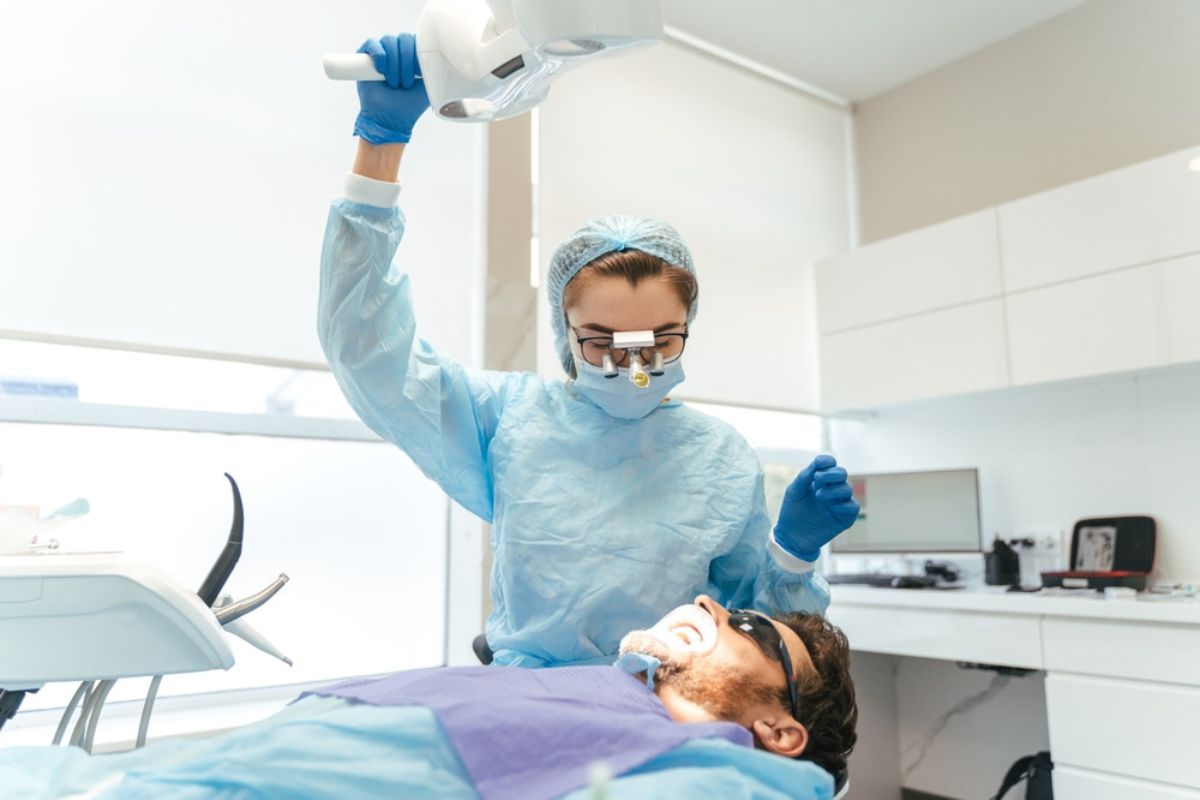
Before choosing a specific treatment, a dentist will evaluate your overall oral health. This may include:
- Digital X-rays
- Intraoral photographs
- Bite analysis
- Gum health assessment
- Screening for decay or infection
A personalized treatment plan ensures that the recommended procedures not only fix the current problem but also support long-term oral wellness.
If you are looking for trusted care, a restorative dentistry specialist can help determine solutions that match your smile goals and dental needs.
3. Top Smile Restoration Techniques Used Today
Patients have more treatment options than ever before. The best technique depends on the condition of your teeth, desired results, and budget. Below are the most effective and widely used smile restoration techniques in modern dentistry.
A. Dental Bonding: Quick and Affordable
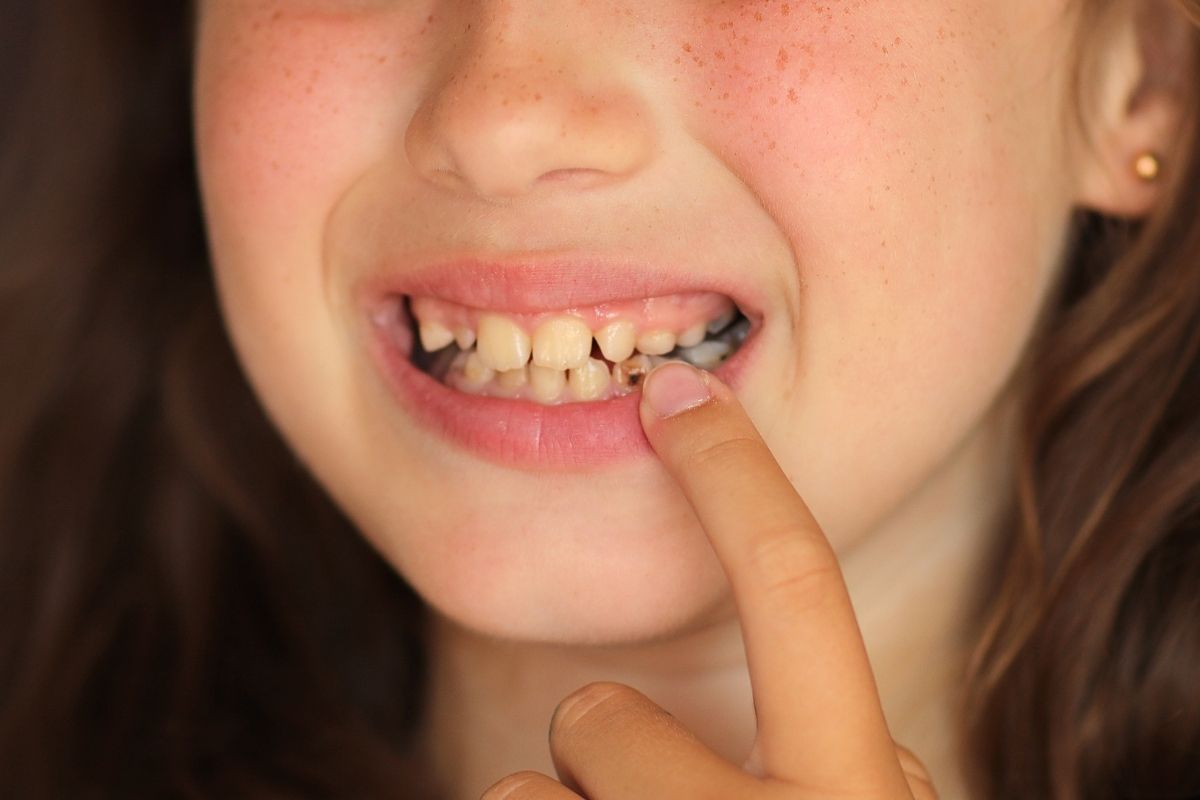
Dental bonding is one of the most accessible quick dental restoration solutions available. Using a tooth-colored resin, dentists can repair:
- Small cracks
- Chips
- Gaps
- Minor discoloration
- Worn edges
Bonding is painless, fast, and typically completed in a single visit. It’s an ideal treatment for patients seeking instant cosmetic improvement without invasive procedures.
B. Tooth-Colored Fillings
Cavities are common, but modern fillings blend seamlessly with natural teeth. These composite fillings strengthen the tooth structure and restore functionality while maintaining a natural appearance.
Benefits include:
- Mercury-free materials
- Strong bonding to tooth enamel
- Color customization
- Long-lasting durability
C. Dental Crowns for Strength and Protection
If a tooth is severely worn, cracked, or weakened after root canal therapy, a dental crown provides full coverage protection. Crowns are custom-crafted to look and feel like natural teeth, offering a high level of durability.
Crowns are ideal for:
- Severe decay
- Large fractures
- Restoring bite strength
- Protecting root-canal-treated teeth
D. Porcelain Veneers for Aesthetic Excellence
Veneers are thin porcelain shells placed over the front surface of teeth. They correct issues such as stains, gaps, misshapen teeth, and minor misalignment.
Reasons patients love veneers:
- Natural, flawless appearance
- Long-lasting shine
- Minimal maintenance
- Stain resistance
Veneers are one of the most popular smile restoration tips recommended for those looking for a dramatic smile transformation.
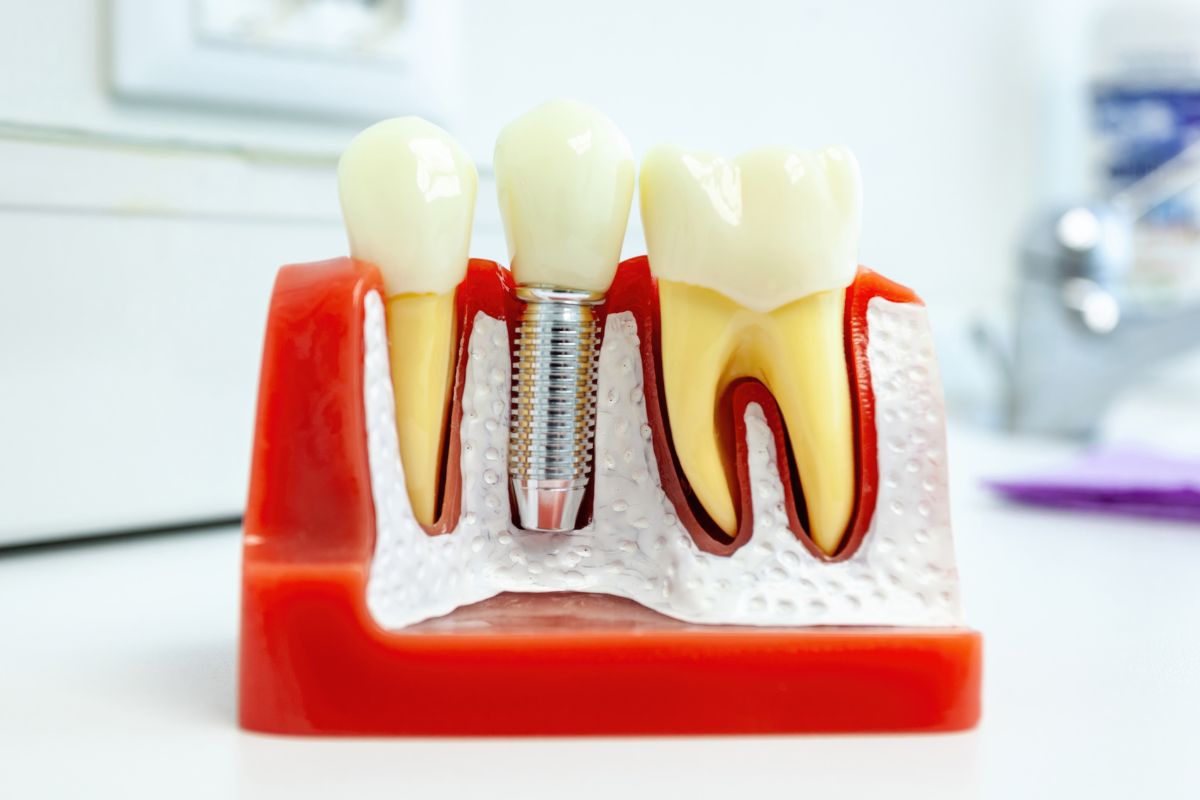
E. Dental Implants: Long-Term Tooth Replacement
Missing teeth affect chewing ability, speech, and appearance. Dental implants are a permanent solution designed to replace both the root and visible portion of a tooth.
Implants help to:
- Prevent bone loss
- Restore natural function
- Improve facial structure
- Enhance long-term oral health
Implants are considered the gold standard for oral restoration.
F. Inlays and Onlays for Targeted Repair
These restorations are stronger than fillings but more conservative than crowns. Inlays and onlays restore teeth with moderate decay or structural damage without removing unnecessary tooth material.
G. Full Mouth Rehabilitation for Complex Cases
Patients with multiple dental issues may need a combination of treatments to rebuild their smile. A full mouth rehabilitation may include:
- Crowns
- Veneers
- Implants
- Bridges
- Gum treatments
- Bite correction
This approach is fully customized and addresses both function and aesthetics.
4. At-Home Dental Care to Support Restoration
Professional dental treatments must be supported by good home care. Here are essential practices to maintain the results of your restoration:
A. Brush and Floss Consistently
Use a soft-bristled toothbrush and fluoride toothpaste. Brushing twice daily and flossing once daily helps prevent plaque buildup around both natural teeth and dental restorations.
B. Avoid Hard or Sticky Foods
Chewing ice, biting hard candies, or eating sticky sweets can weaken or damage dental work such as fillings and crowns.
C. Wear a Night Guard if You Grind Your Teeth
Teeth grinding (bruxism) can cause severe wear. A customized night guard protects enamel and prolongs the life of restorations.
D. Stay Hydrated
Water helps maintain a healthy oral environment, reduces bacteria, and neutralizes acids.
E. Use Fluoride Rinses
For patients prone to decay or sensitivity, fluoride mouth rinses help strengthen enamel and protect dental restorations.
5. Smile Restoration Tips Backed by Dentists
To maintain long-lasting results, consider these expert-recommended strategies:
- Schedule regular cleanings every six months
- Replace old restorations before failure
- Address new dental issues early
- Maintain a balanced diet
- Avoid tobacco and limit alcohol
These smile restoration tips ensure your treatments remain effective and your smile stays healthy for years.
6. When to Seek Professional Help
Knowing when to visit a dentist can prevent complicated dental emergencies. Contact a dental professional if you experience:
- Persistent toothache
- Sensitivity to hot or cold
- Visible chips or cracks
- Swelling or infection
- Loose crowns or fillings
- Bleeding gums
Even if symptoms seem minor, early intervention makes restoration easier and more affordable.
7. Choosing the Right Dental Professional
Restorative dentistry is highly specialized. Selecting the right provider ensures exceptional results, advanced care, and long-lasting solutions. Look for a dental professional who offers:
- Modern technology
- Personalized treatment plans
- Sedation options (if needed)
- A full range of restorative services
- Proven patient reviews
If you are searching for trusted care, finding a Dentist near Fort Myers can connect you with skilled professionals who understand the unique needs of the community.
For full, comprehensive care, don’t hesitate to visit our dental office near Fort Myers where advanced tools and personalized attention ensure you receive the highest standard of restoration care.
8. Final Thoughts: Restore Your Smile with Confidence
Restoring your teeth is an investment in your health, confidence, and overall well-being. From simple bonding to comprehensive full-mouth reconstruction, today’s oral restoration techniques offer countless ways to repair and enhance your smile. Whether you need minor repairs or advanced restorative solutions, partnering with an experienced dental team is the key to long-lasting success.
With the right approach, expert care, and consistent home maintenance, your restored smile can stay stronger, healthier, and more beautiful for years to come. If you’re ready to begin your smile transformation, reaching out to a restorative dentistry specialist is the first step toward renewed confidence and optimal oral health.