Same Day Emergency Dentistry!


Can a Cracked Tooth Always Require a Tooth Extraction?
Schedule Appointment

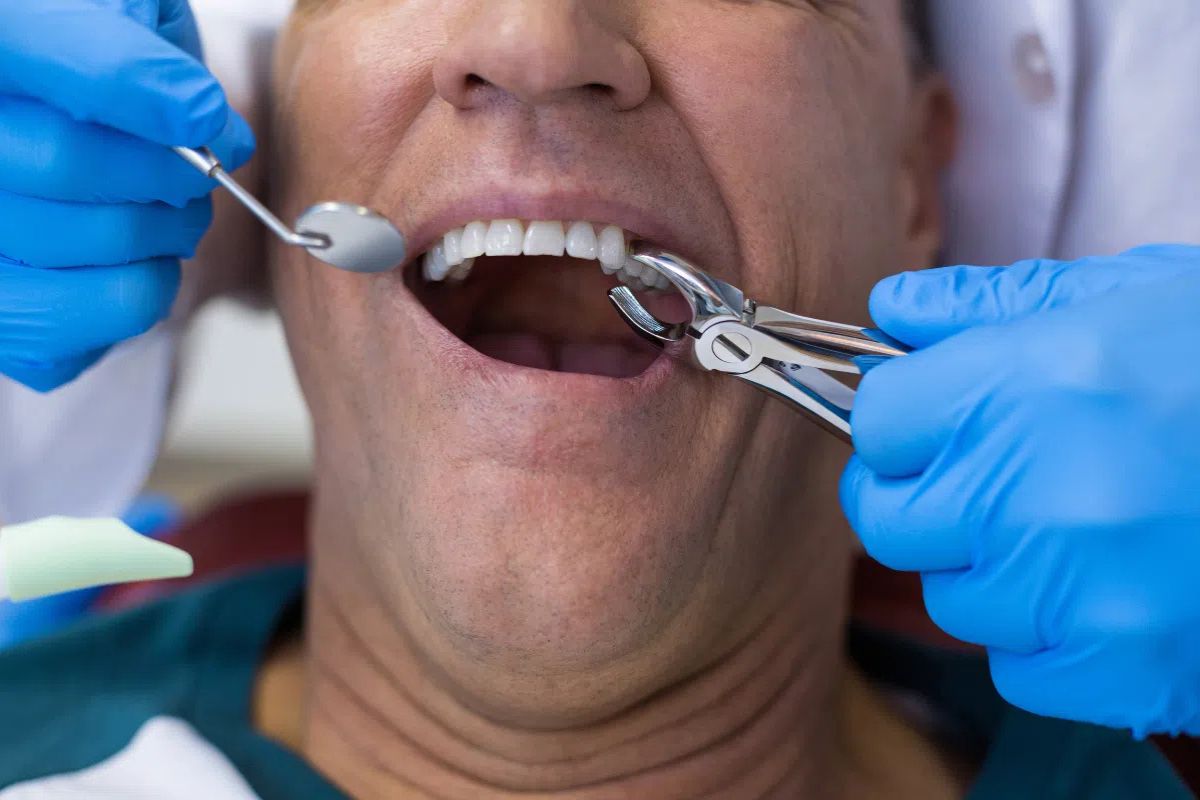
A cracked tooth can create immediate concern. Many people assume that once a tooth develops a crack, removal becomes the only option. That is not always true. Some cracks are small and manageable, while others may affect deeper layers of the tooth and require more extensive treatment. The right approach depends on the location, size, and severity of the damage.
Modern dentistry focuses on preserving natural teeth whenever possible. Early evaluation often makes a significant difference. Understanding the signs and treatment possibilities can help you make informed decisions about your oral health.
Does Every Cracked Tooth Need to Be Removed?
The simple answer is no. Not every cracked tooth requires extraction. Small surface cracks, often called craze lines, commonly affect only the enamel. These usually cause little or no discomfort and often do not require major treatment.
Deeper cracks can extend into the dentin or even the pulp, where nerves and blood vessels are located. The more a crack spreads, the more complex the treatment may become.
Dentists generally consider several factors:
- Depth of the crack
- Location of the damaged tooth
- Presence of infection
- Pain or sensitivity levels
- Condition of surrounding teeth and gums
The goal is to save the tooth whenever possible while protecting overall oral health.
What Symptoms Could Indicate a Serious Crack?
Cracked teeth can sometimes be difficult to identify because symptoms may come and go.
Common warning signs include:
- Sharp pain while chewing
- Sensitivity to hot or cold foods
- Pain that appears when releasing biting pressure
- Swollen gums around a specific tooth
- Intermittent discomfort without an obvious cause
If you experience these symptoms, seeing a local dental professional promptly can prevent additional complications.
What Treatment Options Can Help Save a Cracked Tooth?
Treatment depends on the extent of the damage.
| Type of Crack | Possible Treatment |
|---|---|
| Minor enamel crack | Monitoring or polishing |
| Moderate crack | Crowns |
| Crack reaching pulp | Root canal treatment and crown |
| Vertical root fracture | Tooth extraction may be considered |
Dentists often use digital imaging and clinical evaluations to determine the best course of action.
There are situations where preserving the tooth remains possible even when symptoms seem significant. People often search for a trusted oral care provider or a qualified dental professional close to home when pain becomes noticeable.
When Is Tooth Extraction Necessary?
Extraction typically becomes necessary only when damage extends beyond repair. Examples may include:
Severe structural damage
If a crack splits the tooth into multiple sections, stability becomes difficult to restore.
Deep infection
Untreated cracks can create pathways for bacteria. Infection may spread into the surrounding tissue and compromise the tooth.
Root fractures
Cracks extending below the gumline often have a poor long-term prognosis.
During cases where severe damage exists, discussions around a tooth extraction procedure in Lehigh Acres may naturally become part of treatment planning. However, extraction is generally considered after conservative options have been evaluated.
Can Delaying Treatment Make Things Worse?
Yes. A crack rarely heals on its own.
Even a small fracture can gradually worsen due to everyday chewing pressure. Waiting too long may allow bacteria to enter the tooth and increase the risk of infection.
If you are searching for an expert dentist in Lehigh Acres, early evaluation provides a better chance of preserving natural tooth structure and preventing more serious complications.
How Can You Reduce the Risk of Cracked Teeth?
Simple habits can help protect your smile.
Helpful preventive steps
- Avoid chewing ice
- Do not use teeth as tools
- Wear a mouthguard during sports
- Address teeth grinding habits
- Attend regular dental checkups
Routine visits allow dentists to identify small problems before they become larger concerns.
Dr. Brian Gear and our dentists understand that each case is unique. A personalized evaluation helps determine whether a tooth can be preserved or if additional care is needed.
Trending FAQs
- Can a cracked tooth heal naturally?
No. Tooth cracks do not heal on their own. - Can I wait if my cracked tooth does not hurt?
No. Some cracked teeth have little pain but can worsen over time. - How do dentists find hidden tooth cracks?
Dentists use exams, digital imaging, and bite testing. - Can I eat with a cracked tooth?
Try to avoid chewing on the affected side until evaluated. - Will every cracked tooth become infected?
Not always, but untreated cracks can increase infection risk. - Can a cracked tooth suddenly break?
Yes. Weak areas can fracture further under pressure.
Cracked Teeth and Tooth Preservation
A cracked tooth does not automatically mean losing your natural tooth. Many cases can be treated successfully when identified early. Delaying care can allow the problem to progress and limit treatment possibilities. If discomfort, sensitivity, or unusual symptoms appear, connecting with an experienced dental provider near your area can help protect your long-term oral health and keep your smile functioning at its best.