Same Day Emergency Dentistry!


Is It Normal for Gums to Bleed Sometimes?
Schedule Appointment

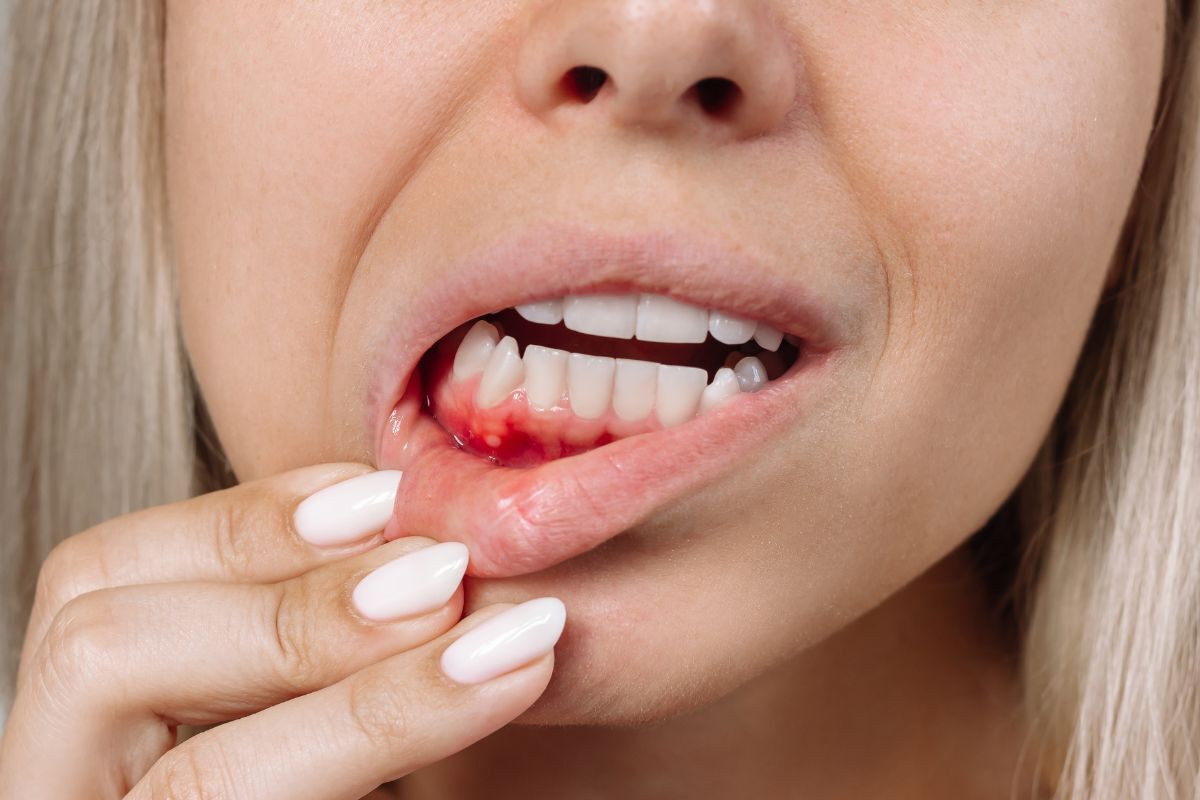
It’s a lazy Saturday afternoon in Fort Myers. You’ve just finished a routine brush and floss after enjoying a late lunch out by the Caloosahatchee River, and you notice a faint pink tint in the sink. Maybe it happens when you bite into a crisp apple, or perhaps you spot a little blood on your toothbrush after rushing through your morning routine before heading out to Centennial Park.
It’s easy to brush it off, pun intended. After all, your gums don’t hurt, and a tiny bit of red isn’t stopping you from enjoying life under the Southwest Florida sun. But here is the burning question many patients ask when they sit down in the dental chair: Is it actually normal for gums to bleed sometimes?
The short answer is no. While bleeding gums are remarkably common, “common” does not mean “normal.” Just like a dashboard warning light in your car, a little bleeding is your body’s way of waving a yellow flag. Ignoring it can lead you down a road you’d rather avoid. Let’s dive into why your gums might be bleeding, what your oral health is trying to tell you, and why partnering with a trusted dentist makes all the difference.
The Anatomy of a Healthy Smile: Why Do Gums Bleed?
Healthy gums are typically firm, pale pink (though natural pigmentation varies), and fit snugly around your teeth. When you brush or floss, they shouldn’t throw a fit; they shouldn’t bleed, swell, or feel tender.
When bleeding happens, it’s usually an early warning sign that something is disrupting that healthy barrier. Here are the most common culprits:
1. Gingivitis: The Early Stage of Gum Disease
The overwhelming majority of bleeding gums stem from gingivitis, the initial, reversible stage of gum disease. It happens when plaque, a sticky film of bacteria, builds up along and beneath the gumline. If that plaque isn’t thoroughly removed through daily brushing and flossing, it hardens into tartar (calculus).
Once tartar forms, it irritates the delicate gum tissue, causing inflammation, redness, and, you guessed it, bleeding. The good news? Because gingivitis hasn’t yet affected the bone supporting your teeth, a professional cleaning and an upgraded home routine can completely reverse it.
2. Overzealous Brushing
Sometimes, bleeding isn’t caused by disease; it’s caused by technique. Are you using a hard-bristled toothbrush and scrubbing your teeth like you’re trying to scour a kitchen pan? If so, you might be traumatizing your soft tissues. Switching to a soft-bristled brush and using gentle, circular motions can save your enamel and your gums.
3. Flossing Inconsistency
If you only pick up floss once a week (usually right before your dental checkup!), your gums are likely to protest with a little blood when you finally do. When you skip flossing, bacteria accumulate between the teeth, causing localized inflammation. Establishing a daily flossing habit usually makes the bleeding stop within a week or two.
4. Hormonal Shifts and Medications
Life stages involving major hormonal changes, such as pregnancy, menstruation, or menopause, can make gum tissue much more sensitive to plaque, increasing the likelihood of bleeding. Additionally, certain medications (like blood thinners or specific blood pressure drugs) can make your gums more prone to bleeding. Always keep your dental team informed about any new prescriptions.
Why Southwest Florida Humidity Isn’t the Only Factor: The Local Connection
You might wonder if the climate down here in Southwest Florida has anything to do with your oral health. While high humidity and a warm climate are great for outdoor activities, they don’t directly cause bleeding gums; bacterial plaque does!
However, lifestyle plays a big role. Here in Fort Myers, life moves at a wonderful pace. Between weekend paddleboarding excursions, grabbing fresh seafood in the River District, and keeping up with busy work weeks, it’s easy to let daily wellness routines slip. Fast-paced days can lead to rushed brushing habits, missed flossing sessions, and skipped routine dental checkups.
Furthermore, staying hydrated is a year-round priority in our sunny climate. Dry mouth (xerostomia), whether caused by medications, heat, or outdoor activities, reduces your saliva flow. Because saliva acts as your mouth’s natural defense mechanism against plaque and bacteria, a dry mouth can accelerate gum irritation.
Beyond the Sink: The Link Between Gum Health and Overall Wellness
It’s easy to view your mouth as a separate entity from the rest of your body, but modern medicine tells a different story. Your oral health is deeply connected to your systemic health.
When your gums bleed, it means there are open micro-ulcerations in the gum tissue. This creates an open doorway for oral bacteria to enter your bloodstream. Chronic inflammation in the gums has been linked in various studies to systemic health concerns, including:
- Cardiovascular disease
- Poorly controlled diabetes
- Respiratory issues
Treating your gum health isn’t just about preserving a bright smile for your next family photo at the Edison and Ford Winter Estates; it’s an investment in your total-body well-being.
When to See a Professional
If your gums bleed occasionally after a harsh floss, it may resolve with better habits. However, you should schedule a visit if you notice:
- Gums that bleed consistently every time you brush or floss.
- Persistent bad breath (halitosis) that doesn’t go away with mouthwash.
- Swollen, red, or tender gums.
- Gums that appear to be pulling away from your teeth (recession).
- Loose teeth or a shift in how your bite feels.
If you are experiencing any of these symptoms, searching for a qualified dentist for gum problems is your best next step. Early intervention prevents gingivitis from progressing into periodontitis, a more advanced, irreversible form of gum disease that can damage the jawbone.
Taking Control of Your Smile
Maintaining a healthy, bleed-free smile doesn’t require a complete lifestyle overhaul. It comes down to consistency, proper tools, and professional guidance.
- Master Your Technique: Brush twice a day for two full minutes using fluoride toothpaste. Hold your brush at a 45-degree angle toward the gumline.
- Make Friends with Floss: Clean between your teeth daily to disrupt plaque before it can calcify into tartar.
- Upgrade Your Routine: Consider switching to an electric toothbrush, which can remove up to much more plaque than manual brushing alone.
- Stay Hydrated: Sip water throughout the day, especially when spending time outdoors in the Florida sunshine.
- Never Skip Preventive Care: Professional cleanings every six months are essential for removing hardened tartar that brushing simply cannot touch.
Partner With Your Local Fort Myers Dental Team
You don’t have to navigate gum health concerns on your own. Whether it’s been six months or six years since your last dental visit, taking that proactive step toward better oral health is empowering.
If you’re ready to put an end to bleeding gums and ensure your smile stays vibrant, healthy, and strong, we are here to help. Visit our dental office to experience compassionate, state-of-the-art care tailored to your unique needs. Don’t let minor symptoms turn into major dental concerns—book an appointment with Caloosa Dental today and let us help you smile with confidence all year long!
Frequently Asked Questions
1. Is it normal for gums to bleed during pregnancy?
While “pregnancy gingivitis” is very common due to fluctuating hormone levels amplifying your gums’ reaction to plaque, it shouldn’t be ignored. Increased blood flow and hormonal shifts make gums more vulnerable, so maintaining excellent home care and keeping your dental team in the loop is essential.
2. Can stress cause my gums to bleed?
Indirectly, yes! High stress levels can weaken your immune system, making it harder for your body to fight off inflammation. Stress can also lead to teeth grinding (bruxism) and a tendency to neglect daily self-care routines.
3. Will bleeding gums go away on their own?
If the bleeding is due to a minor trauma (like poking your gum with a fingernail or a sharp piece of food), it will likely heal quickly. However, if the bleeding is recurring and caused by plaque buildup, it will not resolve without addressing the underlying bacterial irritation through improved hygiene and professional cleaning.
4. How often should I visit the dentist if my gums bleed?
If you are experiencing bleeding gums, you shouldn’t wait for your annual checkup. Schedule an evaluation right away so the root cause can be identified and treated before it progresses.