Same Day Emergency Dentistry!


White Spots on Teeth After Whitening Treatments: Causes, Fixes, and Prevention
Schedule Appointment

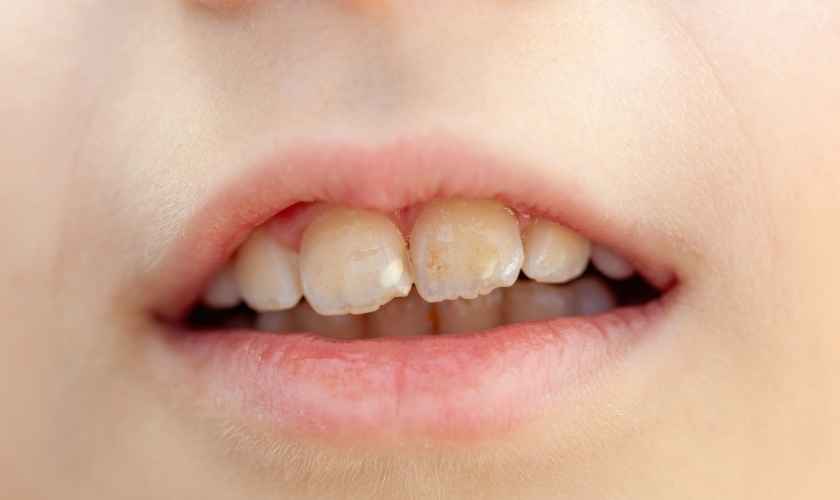
Have you ever stepped out of a whitening treatment excited for a brighter smile, only to notice stubborn white spots on your teeth a few days later? You’re not alone. This frustrating issue affects many people in Fort Myers seeking that perfect Hollywood glow. At Caloosa Dental Fort Myers, we’ve helped countless patients troubleshoot this common post-whitening hiccup. In this guide, we’ll break down why white spots appear after whitening, what they mean for your dental health, and how to get your smile back on track.
White spots can look like chalky patches or demineralized areas, contrasting sharply with your newly whitened enamel. They often show up 1-3 days after professional bleaching or at-home kits. While alarming, they’re usually temporary and treatable – especially when addressed early by experts like our team at Caloosa Dental Fort Myers.
Why Do White Spots Appear After Whitening?
Teeth whitening works by using peroxide-based gels to break down stains on enamel. But sometimes, this process reveals or creates white spots. Here’s what typically causes them:
- Enamel Dehydration: Whitening agents temporarily dehydrate enamel, making it appear whiter initially. As saliva rehydrates unevenly, spots emerge where minerals were already thinner.
- Pre-Existing Demineralization: If you had early cavities, acid erosion from sodas, or fluorosis (from too much fluoride in childhood), whitening can highlight these weak spots. The gel penetrates softer areas faster, bleaching them more intensely.
- Overuse or Sensitivity: Aggressive at-home trays or high-concentration gels without professional supervision can etch enamel, leading to spots. Dry mouth or acidic diets worsen this.
- Uneven Stain Removal: Surface stains from coffee, wine, or smoking might lift inconsistently, leaving patchy whites.
In Fort Myers’ humid climate, patients sometimes notice spots faster due to rapid rehydration fluctuations. A study in the Journal of Esthetic and Restorative Dentistry found that 15-20% of whitening users experience this, but 90% resolve with proper care.
Are White Spots Permanent? When to Worry
Good news: Most white spots fade within 1-2 weeks as enamel remineralizes naturally. Drink plenty of water, use sensitive toothpaste with fluoride, and avoid staining foods like berries or tobacco.
However, persistent spots (lasting over a month) signal deeper issues like incipient decay or enamel hypoplasia. Don’t ignore them – untreated, they could progress to cavities. If spots are painful, expanding, or accompanied by sensitivity, schedule a check-up pronto.
How to Treat White Spots After Whitening
Reversing white spots starts with gentle remineralization. Here’s a step-by-step approach:
- Remineralizing Toothpaste and Gels: Use products with nano-hydroxyapatite or high-fluoride formulas (like MI Paste). Brush twice daily to rebuild minerals.
- Avoid Triggers: Skip acidic drinks, whitening for 2 weeks, and abrasive toothpastes. Rinse after meals to neutralize acids.
- Professional Interventions: At Caloosa Dental Fort Myers, we offer microabrasion to smooth spots, composite bonding for camouflage, or resin infiltration (like ICON) to seal porous enamel. For severe cases, veneers provide a flawless fix.
- Saliva Stimulation: Chew sugar-free gum with xylitol to boost natural remineralization.
Patients who’ve tried our treatments rave about results – check our reviews to see real Fort Myers smiles transformed.
Prevention Tips for Future Whitening
Prevent spots by whitening smarter:
- Choose Professional Treatments: In-office sessions at places like Caloosa Dental Fort Myers use controlled gels, minimizing risks.
- Pre-Treatment Check: Get an exam to fix demineralization first.
- Custom Trays: Avoid generic strips; custom fits ensure even application.
- Post-Care Routine: Follow with desensitizing gels and limit stains for 48 hours.
Whitening treatments done right keep spots at bay while delivering lasting brightness.
Frequently Asked Questions
- What causes white spots on teeth right after whitening?
White spots often result from temporary enamel dehydration during bleaching, pre-existing demineralization, or uneven peroxide absorption in weaker areas. They typically appear 1-3 days post-treatment as enamel rehydrates. - How long do white spots last after professional whitening?
Most white spots fade in 1-2 weeks with proper care, such as fluoride toothpaste and hydration. Persistent ones over a month may need dental evaluation for underlying enamel issues or early decay. - Can at-home whitening kits cause white spots?
Yes, over-the-counter kits with high peroxide or ill-fitting trays can dehydrate enamel unevenly or etch weak spots, leading to chalky patches. Professional supervision reduces this risk significantly. - Are white spots a sign of enamel damage from whitening?
Not always—many are temporary from dehydration. True damage shows as permanent roughness or sensitivity, often from overuse. Remineralization helps distinguish and repair minor cases effectively. - How can I treat white spots at home safely?
Use remineralizing toothpaste with fluoride or hydroxyapatite, stay hydrated, avoid acids and stains, and chew xylitol gum. These promote natural enamel repair without further irritation. - Is it safe to whiten teeth again if I have white spots?
Wait until spots resolve (at least 2 weeks) and get a dental check to rule out demineralization. Resume with professional guidance to prevent recurrence and ensure even results. - Do white spots affect the overall whitening results?
Temporarily, yes—they create uneven tone. Once remineralized, teeth regain uniformity. Professional follow-up, like polishing, can enhance and maintain your brighter smile long-term.