Same Day Emergency Dentistry!


How Long Does a Dental Implant Last?
Schedule Appointment

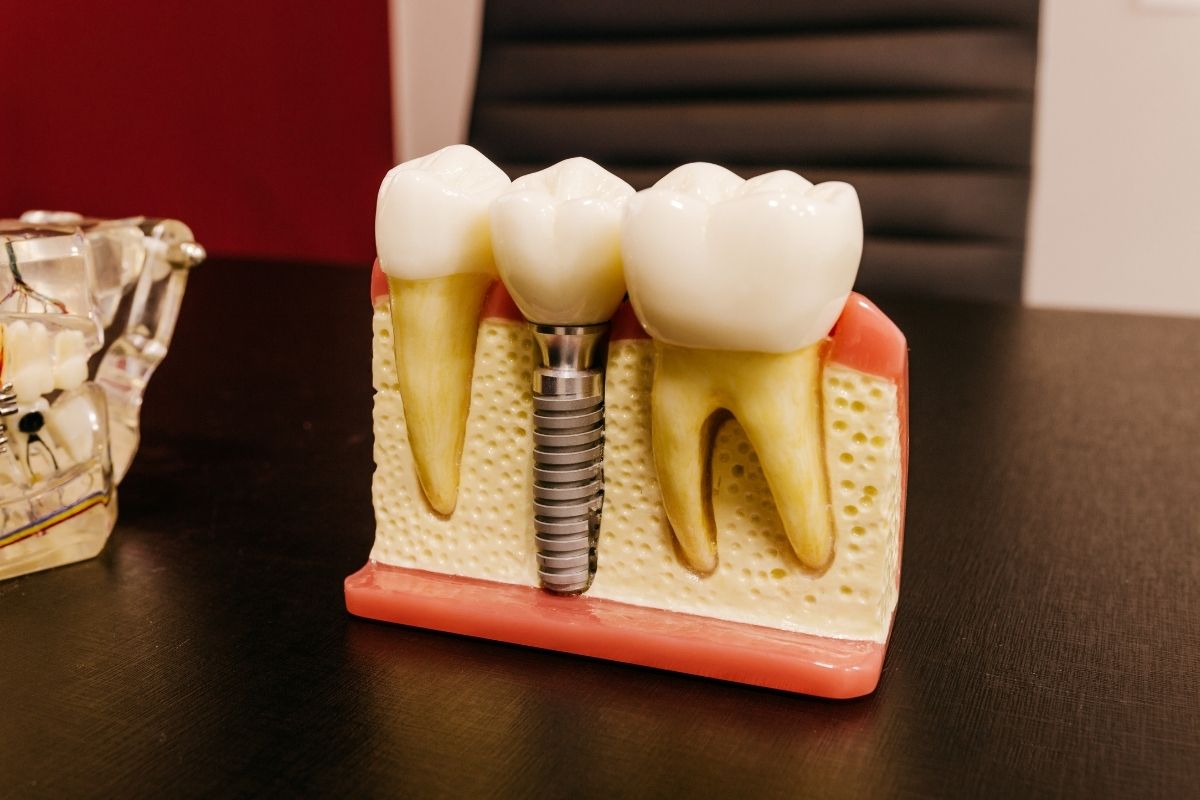
Dental implants are one of the most effective and long-lasting solutions for replacing missing teeth. Unlike dentures or bridges, implants are designed to provide a more permanent solution that not only restores your smile but also protects your oral health.
Understanding Dental Implants
A dental implant is made up of three parts:
- The titanium post is surgically placed into the jawbone.
- The abutment that connects the post to the crown.
- The custom crown looks and functions like a natural tooth.
Since implants integrate directly with the bone through a process called osseointegration, they are highly durable and stable. Unlike removable dentures, implants don’t need adhesives or frequent adjustments, making them a long-term investment in your oral health.
Lifespan of Dental Implants
On average, the titanium implant post can last 20+ years and often a lifetime when cared for correctly. The crown, however, usually lasts around 10–15 years, depending on wear, grinding habits, and oral hygiene. Thankfully, crowns can be replaced without affecting the implant post beneath.
Many studies show that implants have success rates of over 95%, even 10 years after placement. This makes them one of the most predictable and reliable treatments in modern dentistry.
Factors That Affect Implant Longevity
The lifespan of a dental implant depends on several factors, including:
- Oral hygiene practices – Brushing twice daily, flossing, and using antibacterial mouthwash help prevent gum disease, which is the leading cause of implant failure.
- Diet and lifestyle – Smoking, excessive alcohol use, and diets high in sugar can shorten the lifespan of implants.
- Overall health – Conditions such as diabetes or osteoporosis may affect healing and bone density, impacting implant success.
- Bone health and support – A Strong and healthy jawbone structure ensures long-term stability.
- Dental habits – Teeth grinding or clenching (bruxism) can wear down crowns faster and strain implants.
- Professional care – Routine check-ups and cleanings with your dentist help identify issues before they compromise your implant.
How to Make Your Dental Implant Last Longer
If you want your implant to last as long as possible, consistent care is essential. Here are some key steps:
- Maintain excellent daily oral hygiene, including brushing and flossing.
- See your dentist for professional cleanings and evaluations every six months.
- Wear a nightguard if you grind your teeth.
- Avoid using your teeth as tools to open packages.
- Follow your dentist’s aftercare instructions after implant placement.
By treating your implant like a natural tooth and scheduling regular visits, you can greatly extend its life.
Dental Implants vs. Other Restorations
When compared to traditional bridges and dentures, implants often prove to be the more cost-effective solution in the long run. Bridges typically last 10–15 years, while dentures may require adjustments or replacements every 5–7 years. Implants, by contrast, provide a permanent base with only the crown needing replacement occasionally.
Why Choose Implants in Fort Myers
Choosing a trusted provider can make a significant difference in the longevity of your implant. Our team specializes in Implant dentistry, offering precise surgical planning, advanced techniques, and custom restorative solutions tailored to your needs. With the latest technology and patient-focused care, we help ensure your implants last as long as possible.
If you’re considering dental implants, don’t wait any longer to protect your smile and oral health. Contact us today to schedule a visit to our dental office and book a consultation with our experienced dental team.
Frequently Asked Questions
1. How long does a dental implant last on average?
Most dental implants last 20 years or more, and with excellent care, they can last a lifetime. The crown may need replacement every 10–15 years.
2. What causes dental implants to fail?
Implants can fail due to poor oral hygiene, gum disease, smoking, or inadequate bone support. Regular dental visits help reduce risks.
3. Are dental implants better than dentures?
Yes, implants are more durable, natural-looking, and comfortable compared to dentures, which often require frequent adjustments.
4. Do dental implants require special care?
No, they only require the same care as natural teeth: daily brushing, flossing, and professional cleanings.
5. Can anyone get a dental implant?
Most adults qualify, but adequate bone and healthy gums are essential. A dentist will evaluate your eligibility during the consultation.