Same Day Emergency Dentistry!


DIY vs. Professional Teeth Whitening: Which Is Right for You?
Schedule Appointment

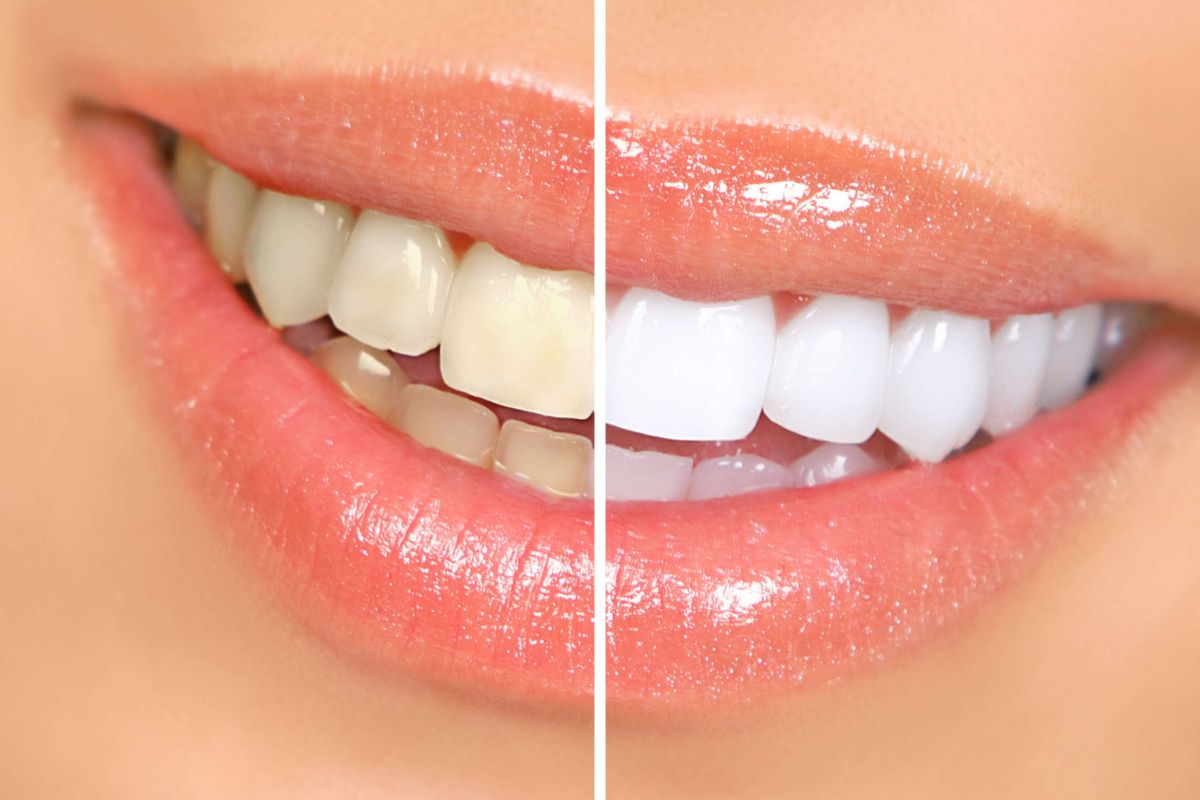
A bright, white smile is often associated with confidence, health, and good hygiene. With so many teeth whitening options available today, it can be tempting to try a quick fix at home. But how does DIY whitening compare to professional treatments? Understanding the differences can help you make a smarter, safer decision for your smile.
In this guide, we’ll break down the pros, cons, effectiveness, and safety of both approaches so you can choose what works best for your needs.
What Causes Tooth Discoloration?
Before comparing whitening methods, it’s important to understand why teeth become discolored in the first place. Common causes include:
- Coffee, tea, red wine, and tobacco use
- Poor oral hygiene
- Aging and enamel wear
- Certain medications
- Genetics
Some stains sit on the surface (extrinsic), while others are deeper within the tooth (intrinsic). This difference plays a major role in how effective whitening treatments will be.
What Is DIY Teeth Whitening?
DIY (do-it-yourself) teeth whitening refers to at-home methods you can use without visiting a dentist. These include:
- Whitening toothpaste
- Over-the-counter whitening strips
- Whitening gels and trays
- Natural remedies like baking soda or charcoal
These options are widely available and often marketed as quick, affordable solutions.
Pros of DIY Whitening
- Affordable: Most at-home kits cost significantly less than professional treatments.
- Convenient: You can whiten your teeth anytime from home.
- Easy to Use: Many products are designed for simple application.
Cons of DIY Whitening
- Limited Results: Over-the-counter products contain lower concentrations of whitening agents.
- Uneven Whitening: Improper application can lead to patchy results.
- Sensitivity Risks: Misuse may cause gum irritation or tooth sensitivity.
- Slow Progress: Results often take weeks and may not be dramatic.
What Is Professional Teeth Whitening?
Professional whitening is performed under the supervision of a dentist. It typically involves stronger bleaching agents and advanced techniques to safely and effectively brighten your smile.
There are two main types:
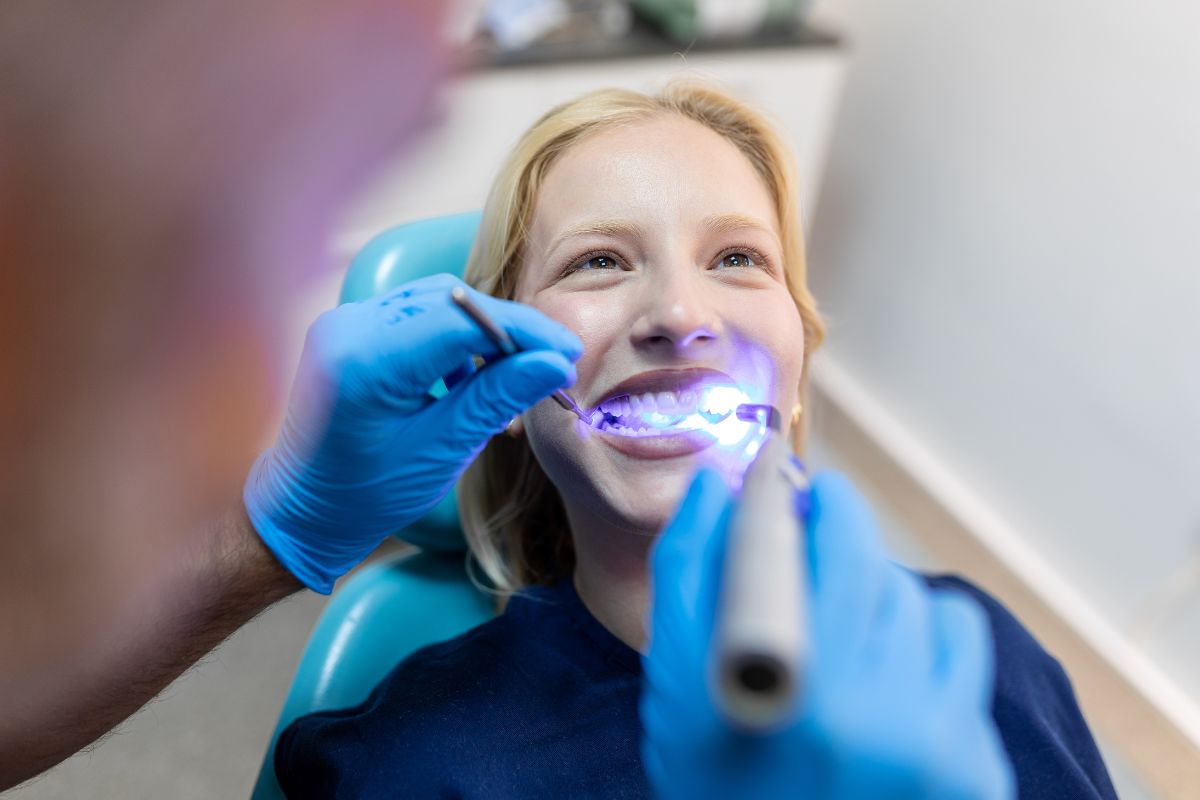
- In-office whitening: Completed in a single visit using high-strength whitening solutions and sometimes light or laser technology.
- Take-home professional kits: Custom trays with dentist-prescribed gel for at-home use.
Pros of Professional Whitening
- Faster Results: Noticeable improvement in just one session.
- Stronger Whitening Power: Higher-grade bleaching agents remove deeper stains.
- Customized Treatment: Tailored to your teeth and sensitivity levels.
- Safer Process: Monitored by a dental professional to reduce risks.
Cons of Professional Whitening
- Higher Cost: More expensive than DIY options.
- Requires Appointment: In-office treatments need scheduled visits.
Key Differences: DIY vs. Professional Whitening
1. Effectiveness
Professional whitening delivers more noticeable and longer-lasting results. DIY options may help with mild stains, but they often struggle with deeper discoloration.
2. Speed
In-office whitening can brighten teeth several shades in one visit, while DIY methods may take weeks or months for subtle results.
3. Safety
Professional treatments are carefully controlled to protect your gums and enamel. DIY methods can be safe if used correctly, but overuse or improper techniques can lead to damage.
4. Customization
Dentists customize whitening treatments based on your oral health, while store-bought products follow a one-size-fits-all approach.
5. Cost
DIY options are budget-friendly, but professional whitening offers better value in terms of long-term results and safety.
Are Natural Whitening Remedies Effective?
Natural remedies like baking soda, hydrogen peroxide rinses, or activated charcoal are popular online. However, their effectiveness is limited, and some can be abrasive or harmful if overused.
While they may remove minor surface stains, they do not provide the same level of whitening as professional treatments. It’s best to use caution and consult a dentist before trying these methods.
Who Should Choose DIY Whitening?
DIY whitening may be suitable if:
- You have mild staining
- You want a budget-friendly option
- You’re maintaining results after professional whitening
- You prefer gradual changes
However, it’s important to follow instructions carefully and avoid overuse.
Who Should Choose Professional Whitening?
Professional whitening is ideal if:
- You have moderate to severe discoloration
- You want fast, noticeable results
- You have sensitive teeth or dental restorations
- You want a safer, customized solution
If you’re unsure, a dental consultation can help determine the best approach for your smile.
Tips for Maintaining White Teeth
No matter which option you choose, maintaining your results is key. Here are some helpful tips:
- Brush and floss daily
- Limit staining foods and drinks
- Use a straw for beverages like coffee or soda
- Rinse your mouth after meals
- Schedule regular dental cleanings
Consistency in oral care can make a big difference in how long your whitening results last.
Making the Right Choice
Choosing between DIY and professional teeth whitening ultimately depends on your goals, budget, and oral health. While DIY methods may seem appealing, they often fall short in delivering long-lasting and dramatic results.
Professional whitening offers a more reliable and safer solution, especially for deeper stains or those seeking quick improvements.
If you’re considering enhancing your smile, take time to explore your options and consult a dental professional. You can always check our reviews to see what others have experienced and feel more confident in your decision.
When you’re ready to take the next step toward a brighter smile, don’t hesitate to book an appointment and get personalized guidance tailored to your needs.
Frequently Asked Questions
1. Is DIY teeth whitening safe?
DIY whitening is generally safe when used as directed. However, overuse or improper application can cause tooth sensitivity and gum irritation, especially with stronger products.
2. How long do DIY whitening results last?
Results vary but typically last a few weeks to a few months. Maintenance is required, especially if you consume staining foods or beverages regularly.
3. Does professional whitening damage enamel?
No, professional whitening does not damage enamel when performed by a dentist. The process is carefully controlled to ensure safety and effectiveness.
4. Can sensitive teeth be whitened?
Yes, but it’s best done under professional supervision. Dentists can adjust the treatment to minimize discomfort and protect sensitive areas.
5. Are whitening toothpastes effective?
Whitening toothpastes help remove surface stains but do not significantly change the natural color of your teeth. They are best for maintenance rather than deep whitening.
6. How often can I whiten my teeth?
Frequency depends on the method used. Professional treatments are usually done less often, while DIY products may be used more regularly – but always follow recommended guidelines.